Lô 22 B2-14, Khu đô thị Hòa Hải H1-3, Đà Nẵng, Việt Nam
hi@simplyvietnamtravel.com
+84 793 553 385
Mon – Sun 8.00 – 18.00

 travel
5 May 2026
travel
5 May 2026
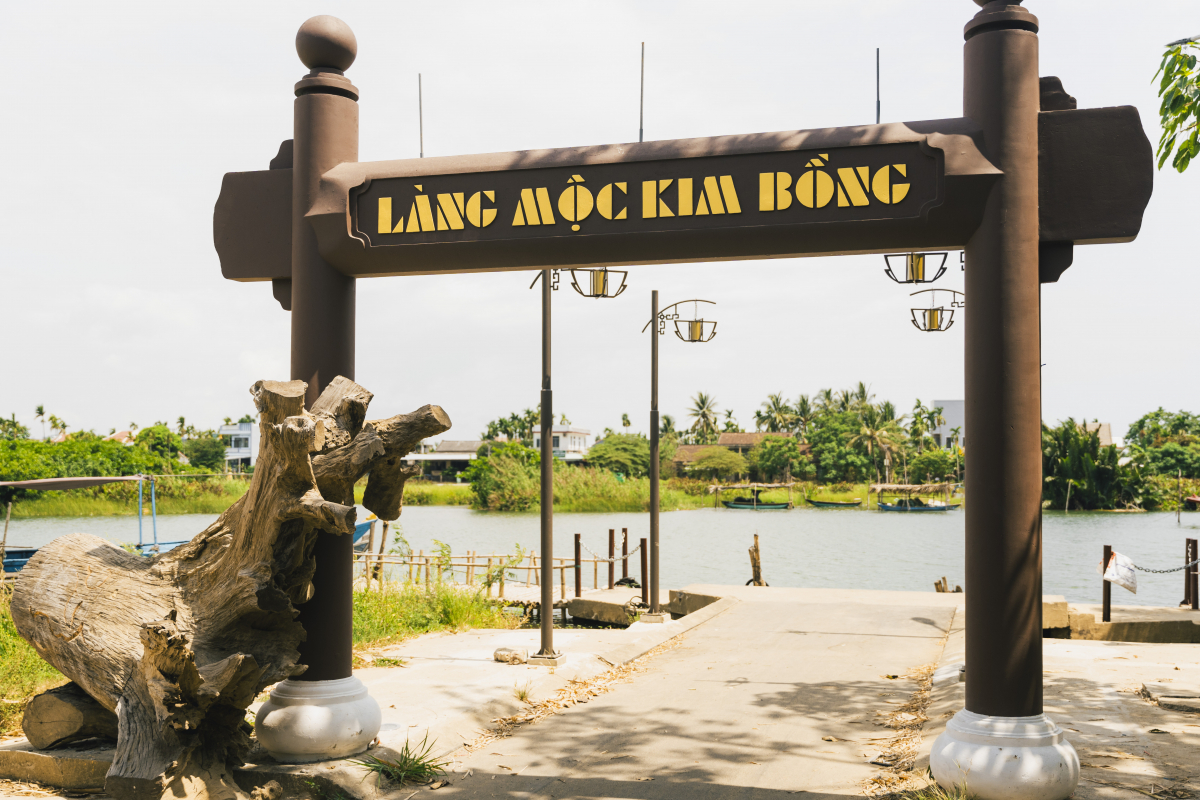
Nestled just across the river from Hoi An’s ancient town, Kim Bong Carpentry Village offers a fascinating glimpse into Vietnam’s rich artisan heritage, where generations of skilled craftsmen continue to shape wood into timeless works of art. Visitors can immerse themselves in hands-on experiences, observe traditional techniques, and explore a peaceful riverside setting that contrasts beautifully with the bustling streets nearby. For those seeking an authentic cultural journey, Simply Vietnam Travel provides thoughtfully curated tours that bring you closer to the heart of this enduring craft tradition.
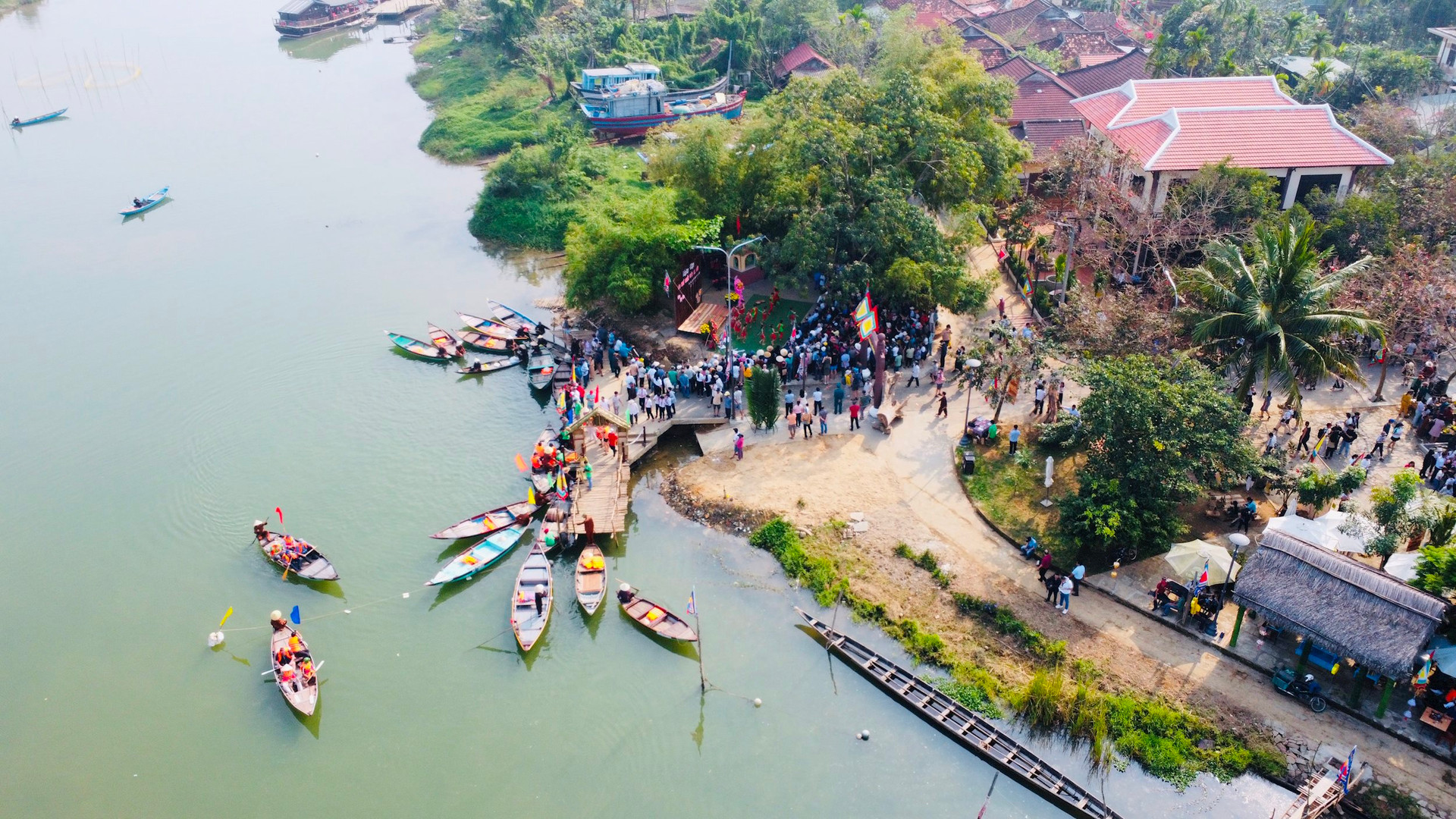
This riverside destination offers a unique blend of accessibility and cultural depth, making Kim Bong Carpentry Village an easy yet rewarding place to explore when visiting Hoi An.
Located on the peaceful Cam Kim Island, just a short distance from Hoi An’s bustling center, Kim Bong Carpentry Village provides a refreshing escape into the countryside. The village sits along the Thu Bon River, creating a scenic setting where visitors can enjoy both cultural exploration and natural beauty. Often referred to as the Kim Bong woodworking village Hoi An, this area has long been known for its deep-rooted connection to carpentry and artisan traditions.
The proximity to Hoi An Ancient Town makes Kim Bong Carpentry Village an easy and worthwhile addition to any travel itinerary. Within minutes, travelers can transition from the vibrant streets filled with lanterns and cafes to a quieter environment where craftsmanship and heritage take center stage.
Reaching Kim Bong Carpentry Village is part of the overall experience, with several enjoyable transportation options available. One of the most popular ways is by taking a short boat ride across the river, offering a unique perspective of local life along the water. This option allows visitors to slow down and fully appreciate the journey before arriving at the village.
For those who prefer exploring independently, cycling to Kim Bong Carpentry Village is a highly recommended choice. A ride across Cam Kim Bridge leads you through rural landscapes, rice paddies, and small local communities. Motorbikes and taxis are also convenient alternatives, especially for travelers with limited time.

With a legacy that spans centuries, Kim Bong Carpentry Village stands as a living testament to the enduring craftsmanship and cultural identity of central Vietnam.
The origins of Kim Bong Carpentry Village date back to the 15th century, when skilled craftsmen from Northern Vietnam migrated South and settled in this riverside area. Over time, these artisans refined their techniques and established a thriving community dedicated to woodworking. Their skills were passed down through generations, preserving the essence of traditional carpentry in Vietnam while adapting to changing demands.
As trade flourished in Hoi An during its peak as a major Southeast Asian port, Kim Bong Carpentry Village gained recognition for its high-quality craftsmanship. Local carpenters were sought after not only for their technical expertise but also for their artistic vision, which combined functionality with intricate design.
Throughout history, Kim Bong Carpentry Village has played a crucial role in shaping the architectural identity of Hoi An. Many of the historic houses, assembly halls, and temples that define the town today were built or restored by artisans from this village.
The influence of Kim Bong Carpentry Village can be seen in the detailed wooden structures, from elaborately carved beams to finely crafted doors and altars. These elements reflect a deep understanding of both aesthetics and durability, ensuring that the structures could withstand the test of time.
Even today, Kim Bong Carpentry Village continues to contribute to restoration projects, helping preserve the cultural heritage of the region while maintaining the authenticity of its traditional craftsmanship.
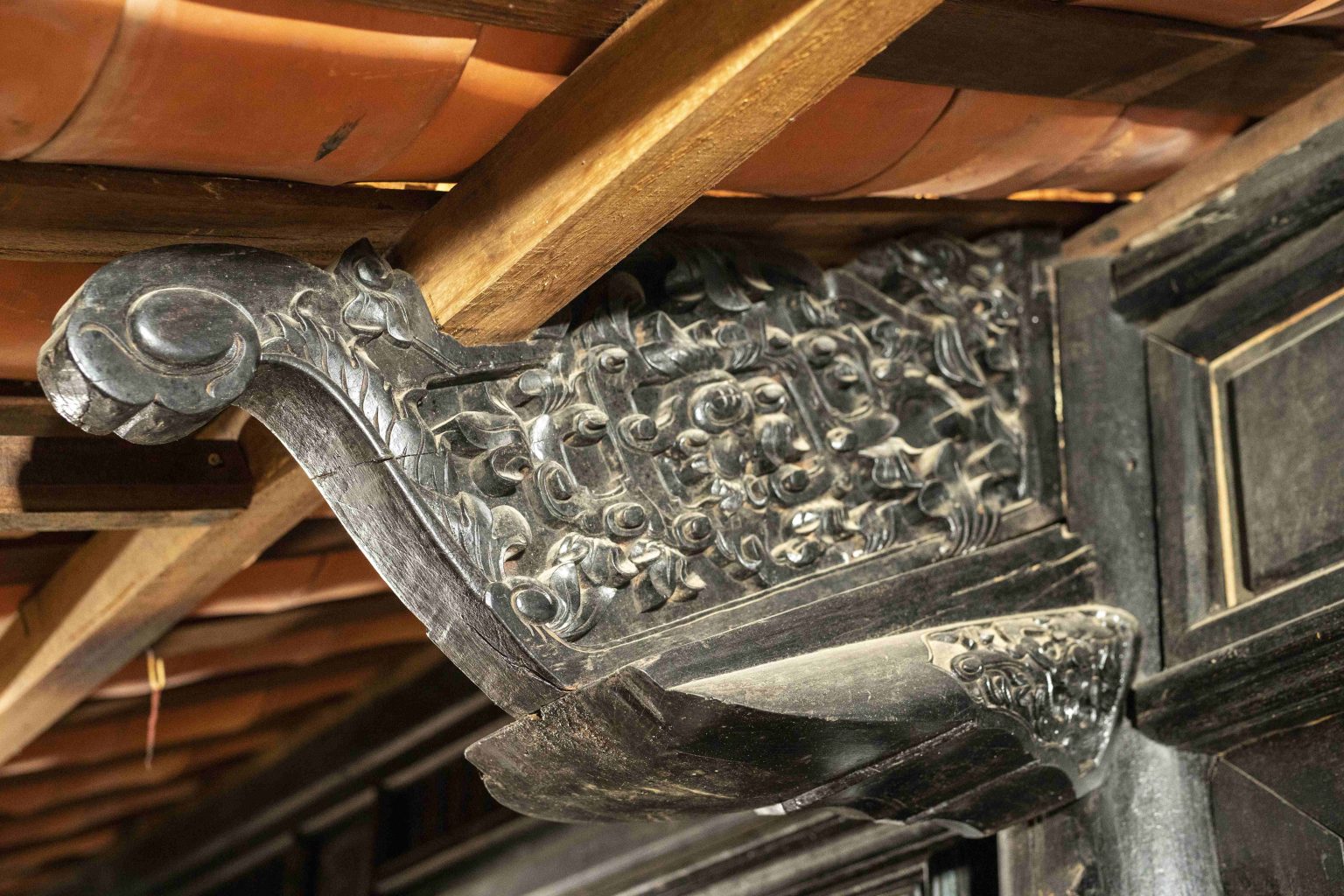
A visit to Kim Bong Carpentry Village is more than just sightseeing it’s an immersive journey into craftsmanship, creativity, and everyday artisan life.
One of the most memorable highlights of Kim Bong Carpentry Village is the opportunity to meet local craftsmen who have dedicated their lives to preserving this traditional trade. Inside open-air workshops, visitors can observe artisans carefully shaping, carving, and polishing wood using techniques passed down through generations.
The experience of interacting with Kim Bong Carpentry Village craftsmen becomes even more meaningful when you learn about their personal stories, family heritage, and the pride they take in their work. This human connection transforms a simple visit into a deeper cultural exchange, especially when exploring the world of Kim Bong artisans and wood carving.
For those seeking a more interactive experience, Kim Bong Carpentry Village offers hands-on workshops where visitors can try basic woodworking techniques under the guidance of skilled artisans. These sessions provide a rare opportunity to understand the patience and precision required to create even the simplest wooden objects.
Participating in a workshop at Kim Bong Carpentry Village allows travelers to create their own small handcrafted souvenir, making the experience both personal and memorable. It’s an engaging activity suitable for all ages and a great way to gain a deeper appreciation for the craftsmanship involved.
For travelers who want to expand their cultural journey beyond woodworking, you can also join a broader experience like this Hoi An Ancient Town and Coconut Village tour that combines traditional crafts, local life, and hands-on activities in one immersive itinerary.
Walking through Kim Bong Carpentry Village, visitors will encounter a wide variety of wooden products ranging from decorative items to functional furniture. Each piece reflects a balance between artistic expression and practical use, showcasing the versatility of local craftsmanship.
From intricately carved statues to beautifully designed household items, Kim Bong Carpentry Village offers plenty to discover for those interested in art and culture. Exploring these creations is also one of the most authentic things to do in Kim Bong Village, as it provides insight into the daily work and creative spirit of the community.
The craftsmanship seen in these wooden creations closely reflects the same techniques used in iconic heritage sites like the Fujian Assembly Hall, where detailed carvings and structural precision remain key highlights.
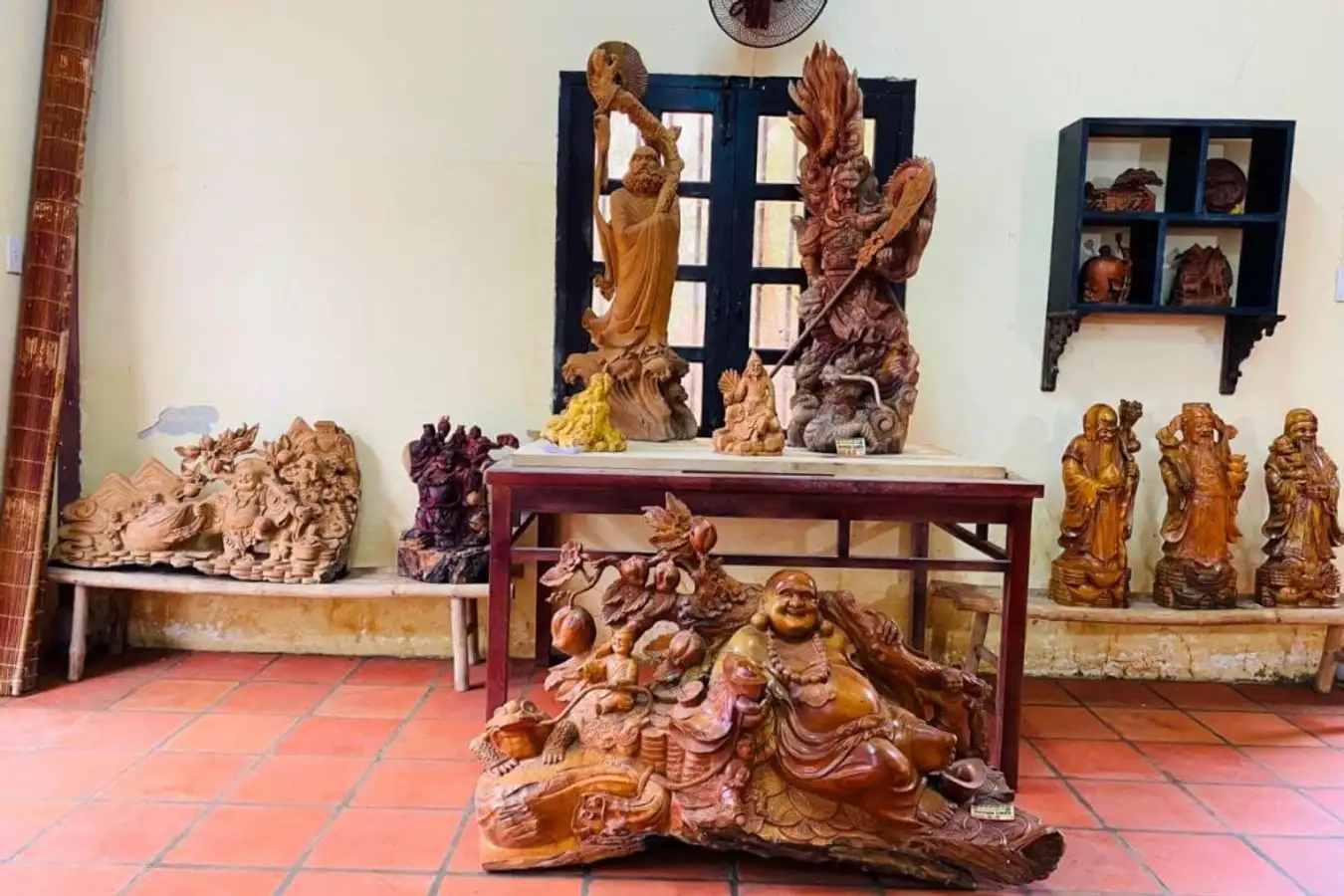
Planning a visit to Kim Bong Carpentry Village can greatly enhance your overall experience, especially when you know the best time and how to prepare for your journey.
The ideal time to explore Kim Bong Carpentry Village is during the dry season, typically from February to August, when the weather is sunny and pleasant. This period allows visitors to comfortably walk or cycle around the village while enjoying the surrounding landscapes.
Visiting Kim Bong Carpentry Village in the early morning or late afternoon is also recommended, as temperatures are cooler and the natural lighting is perfect for photography. These quieter hours provide a more relaxed atmosphere, making it easier to fully appreciate the craftsmanship and daily life of the artisans.
Before heading to Kim Bong Carpentry Village, it’s helpful to prepare a few essentials such as comfortable walking shoes, sunscreen, and a hat to protect yourself from the sun. Since the village is less commercialized than the old town, having some cash on hand is also advisable for small purchases or workshop participation.
When visiting Kim Bong Carpentry Village, remember to respect the working environment of local artisans. Always ask for permission before taking photos and be mindful when entering workshops. For a more enriching journey, many travelers choose to include the village as part of a broader Hoi An craft villages tour, allowing them to explore multiple traditional communities in one itinerary.
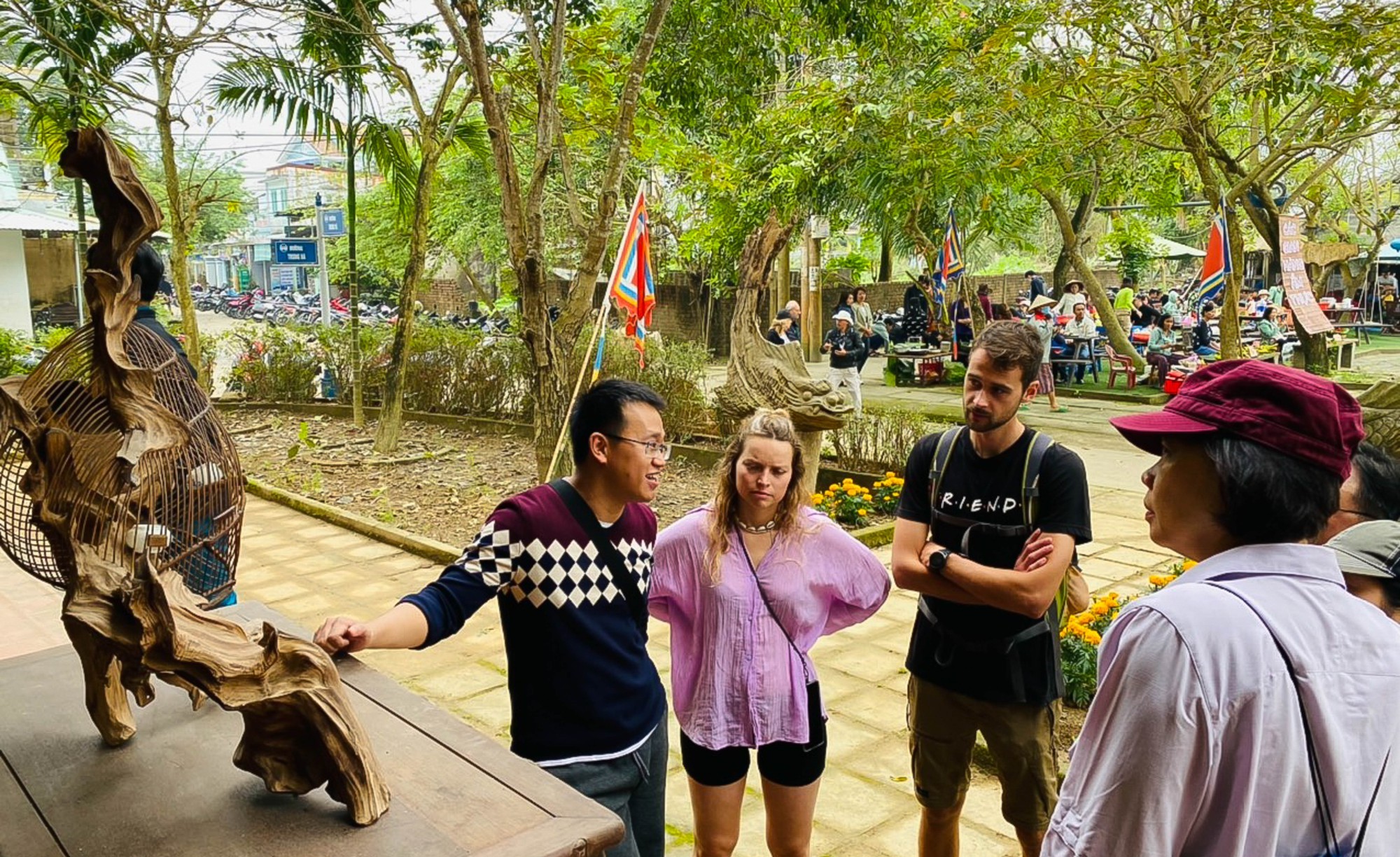
A visit to Kim Bong Carpentry Village offers a rare opportunity to step into a world where tradition, artistry, and community come together in perfect harmony. From its rich history and skilled craftsmen to its peaceful riverside setting, this destination provides an authentic cultural experience that goes beyond typical sightseeing.
If you’re looking to discover the true essence of local craftsmanship, let Simply Vietnam Travel guide your journey with carefully designed experiences that bring you closer to the heart of Vietnam’s heritage. Start planning your trip today and uncover the timeless beauty of this remarkable village.
Contact us through the following channels for a free consultation:
1. Where is Kim Bong Carpentry Village located?
Kim Bong Carpentry Village is located on Cam Kim Island, just across the Thu Bon River from Hoi An Ancient Town.
2. What can visitors do at Kim Bong Carpentry Village?
Visitors can meet local artisans, join woodworking workshops, and explore traditional wooden crafts.
3. How much time should I spend visiting Kim Bong Carpentry Village?
A half-day trip is usually enough to explore the village and enjoy its main cultural experiences.