Da Nang Travel Tips: 10 Essential Things to Know Before Your Trip
Da Nang travel tips are an absolute must-have for anyone planning to explore the “most livable city in Vietnam.” Da Nang, the sparkling jewel of the Central Coast, captivates visitors with its harmonious blend of soft white-sand beaches, uniquely designed bridges, and incredibly rich street food culture. However, to ensure your trip is smooth and fulfilling, mastering essential information beforehand is crucial. This detailed guide provides you with 10 critical tips, ranging from the ideal time to visit to secrets on communication and safety, allowing you to confidently explore every corner of this beautiful coastal city.
I. Overview and Determining the Golden Time to Visit
Choosing the right time significantly impacts the quality of your travel experience in Da Nang. The city has two distinct seasons, each offering a different kind of adventure.
1.1. Weather and the Two Distinct Seasons
Da Nang lies in a tropical monsoon climate zone, influenced by the ocean, resulting in generally mild weather, but with clear seasonal differentiation:
-
The Dry Season (January to July):
-
The Best Time to Visit (March to May): This period boasts the most beautiful weather. Mild sunshine, minimal rain, and temperatures ranging from 25°C to 30°C. The sea is calm, the water is clear, and conditions are perfect for swimming, diving, and visiting Ba Na Hills.
-
Peak and Hottest Period (June, July): Temperatures can soar up to 35°C–37°C. While this is the domestic high season, you must be fully prepared with sunscreen and avoid being outdoors during midday.
-

-
The Rainy and Cool Season (August to December):
-
August to October: Rainfall begins, occasionally including typhoons. Sea activities are limited. However, this is when international tourist crowds thin out, service prices drop, and the cooler air is pleasant for inner-city sightseeing.
-
November, December: The weather turns cooler, with potentially prolonged drizzles. It’s not suitable for swimming but is ideal for those who prefer quiet atmospheres and indoor culinary exploration.
-
1.2. Major Events to Note
If possible, time your trip to coincide with the Da Nang International Fireworks Festival (DIFF), usually held around June or July. This event attracts millions of visitors and creates an incredibly vibrant, festive atmosphere for the city.
II. Visa, Documentation, and Travel Insurance
Preparing your paperwork is a fundamental yet most important step among these Da Nang travel tips. Ensuring compliance with Vietnamese entry regulations is paramount.
2.1. Visa and Passport Requirements
-
Visa Exemption: Citizens from several Southeast Asian and European countries (such as Germany, France, the UK, Italy, Spain) are granted visa exemptions for specific durations (usually 15 to 45 days). Always check the latest exemption list before departure.
-
E-Visa: If you are not eligible for an exemption, the E-visa is the most popular and convenient option. You can apply online and receive the visa via email. The process typically takes about 3 working days.
-
The 6-Month Rule: Your passport must be valid for at least 6 months from the date you intend to leave Vietnam.

2.2. Travel Insurance and Other Documentation
-
Insurance: Although not mandatory, travel insurance is one of the most crucial Da Nang travel tips. It protects you from risks related to medical emergencies, lost luggage, or trip cancellations.
-
Copies: Always carry photocopies of your passport, visa, and other important documents in case of an emergency.
III. Getting Around the City
Exploring Da Nang is easy thanks to its diverse and efficient transportation system. Knowing how to get around will save you time and money.
3.1. From Da Nang International Airport (DAD)
Da Nang Airport is very close to the city center (only about 3-5 km).
-
Traditional Taxis: Major taxi companies like Mai Linh or Tien Sa are readily available at the exit gate. Fares to the city center or My Khe Beach range from approximately 80,000 – 120,000 VND.
-
Ride-Hailing Apps (Grab): This is the most popular and price-transparent option. You can book a car (GrabCar) or a motorbike (GrabBike) through the app.
-
Airport Bus: The cheapest option, but less convenient, and does not operate at night.

3.2. Main Transportation within the City
-
Motorbike: This is the best way to explore the city like a local. Rental prices typically range from 100,000 – 150,000 VND/day. Always demand a helmet and check the vehicle before renting.
-
Taxi/Grab: Suitable for longer distances or when traveling in a group.
-
Cyclo: Best for slow, cultural sightseeing tours around the Han River area in the evening. This offers a charming cultural experience.
IV. Optimal Accommodation Areas
Choosing the right area to stay based on your preferences will greatly optimize your experience. It’s Da Nang travel tips, you should know:
4.1. My Khe Beach Area
-
Best for: Beach lovers, those who want easy access to resorts, seafood restaurants, and bars.
-
Characteristics: Lively, modern, concentrated with hotels ranging from budget to luxury. Easy walking access to Da Nang’s most beautiful beach.
4.2. Han River Central Area

-
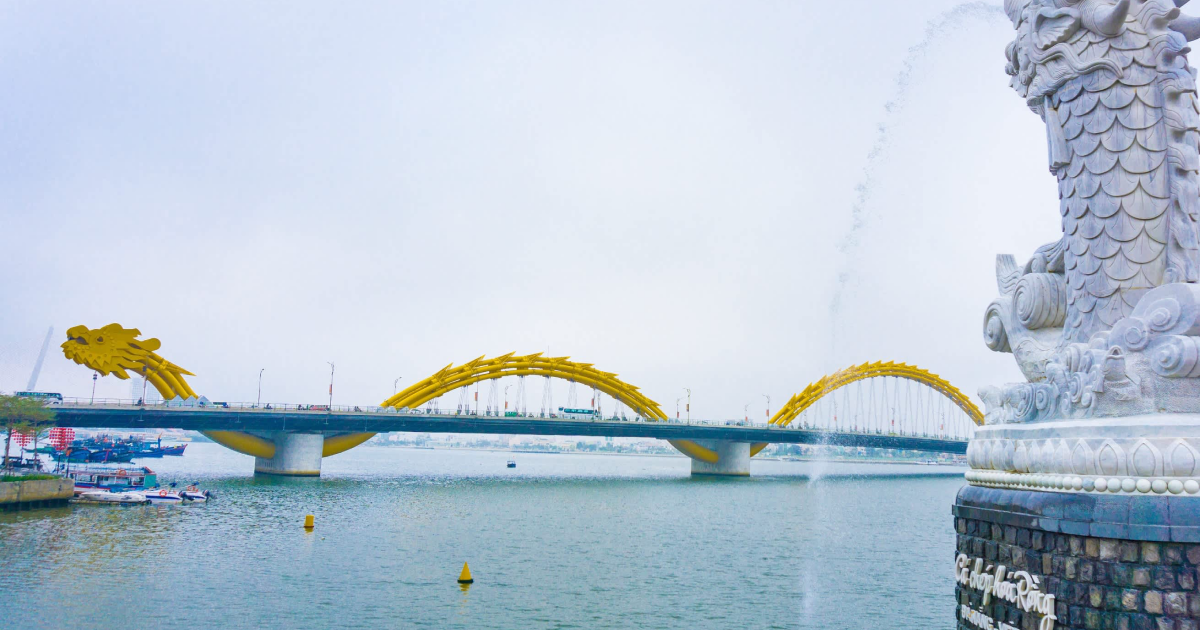
Best for: Those who prefer an urban atmosphere, shopping, being close to markets, and famous bridges (Dragon Bridge, Love Bridge).
-
Characteristics: Convenient for transportation, near cultural attractions, and night markets. Often quieter than the beach area at night.
4.3. Son Tra Peninsula and Resort Area
-
Best for: Travelers seeking tranquility, luxury, and wishing to stay in high-end resorts with stunning mountain and ocean views.
-
Characteristics: Further from the center, requiring transportation, but offering privacy and premium services in return.
V. Culinary Delights You Cannot Miss
Cuisine is one of Da Nang’s biggest draws. Don’t just eat in your hotel; seek out the authentic street food!
5.1. Classic Local Dishes
-
Mi Quang: The most signature dish. Noodles are made from rice, the broth is rich but light, and served with shrimp, pork, quail eggs, and crispy toasted sesame rice crackers.
-
Banh Xeo: Crispy yellow pancake made from rice flour and turmeric, filled with shrimp, meat, and bean sprouts. Usually wrapped in fresh vegetables and rice paper, dipped in a special savory sauce.
-
Bun Cha Ca: Fish cake noodle soup. The broth is sweet and clear of fish bones, featuring delicious chewy fish cakes, served with dried bamboo shoots.
-
Banh Trang Cuon Thit Heo Hai Dau Da (Pork Skin Roll): A sophisticated dish with boiled pork slices that include skin at both ends, wrapped in rice paper with fresh herbs, green banana, pineapple, and dipped in a rich, fermented anchovy paste (mam nem).

5.2. Dining Tips
-
Local Markets: Con Market and Han Market are two unmissable “food heavens.” This is where you find the best food at the most affordable prices.
-
Hygiene: Choose eateries with many local customers; this is usually a good sign that the food is delicious and the hygiene is acceptable.
-
Pricing: Most street food dishes range from 25,000 – 40,000 VND per dish.
VI. Communication and Basic Cultural Nuances
A basic understanding of the local culture will enrich your trip and foster goodwill with the locals.
6.1. Language and Essential Phrases
Although English is widely spoken in the tourism industry, learning a few basic Vietnamese phrases is one of the most useful Da Nang travel tips.

|
Vietnamese Phrase |
Meaning |
|---|---|
|
Xin chao |
Hello |
|
Cam on |
Thank you |
|
Bao nhieu tien? |
How much is it? |
|
Ngon qua! |
Delicious! |
|
Tinh tien |
Check, please |
6.2. Bargaining Culture and Tipping
-
Bargaining: Bargaining is common, especially in traditional markets or with non-metered taxis. Always bargain in a friendly and respectful manner.
-
Tipping: Tipping is not mandatory in Vietnam but is always appreciated, particularly for tour guides, drivers, or service staff in upscale restaurants/hotels if you are satisfied with the service.
VII. Currency and Payment Methods
The currency used in Vietnam is the Vietnamese Dong (VND). Understanding how to handle money transactions is a core piece of Da Nang travel tips to avoid any confusion.
7.1. Cash and Credit Cards
-
Cash is King: Cash is essential, especially when shopping at markets, eating at street stalls, or taking taxis. Always carry a supply of small denominations.
-
Credit Cards: Accepted at hotels, high-end restaurants, and shopping centers. However, many places charge a 2-3% transaction fee.
-
ATMs: Easily found at major banks (Vietcombank, ACB, Techcombank). Be mindful of withdrawal limits and international transaction fees.

7.2. Money Exchange and Counterfeit Notes
-
Exchanging Money: The best places to exchange money are the Airport, major banks, or reputable gold shops (tiem vang) in the central area (near Han Market).
-
Caution: Be careful with high-value notes (20,000, 50,000, 100,000, 200,000, and 500,000 VND) as they are easy to confuse. Pay special attention when handling 20,000 VND and 500,000 VND notes as their colors are deceptively similar.
VIII. Safety and Health Precautions
Da Nang is a safe city, but caution is necessary to protect yourself and your belongings.
8.1. Personal Safety and Traffic
-
Traffic Caution: Traffic in Vietnam can be chaotic. Be extremely careful when crossing the road and always watch out for motorbikes.
-
Common Scams: Be wary of overly persistent solicitations from unofficial taxi drivers or unclear vendors. Always use metered taxis or the Grab app.
-
Protect Valuables: Never hang your bag on a motorbike and keep your phone secure when walking near the curb to avoid snatch-and-grab incidents.

8.2. Medical and Medications
-
Personal Medications: Always carry basic medications such as anti-diarrhea pills, cold medicine, and plasters.
-
Hospitals: In case of emergency, Hoan My Da Nang Hospital or Vinmec International Hospital Da Nang are good options for tourists, offering high-quality medical services.
IX. Staying Connected
Staying connected is vital in any modern trip, and this is where practical Da Nang travel tips about connectivity come in handy.
9.1. Buying a Local SIM Card
-
4G/5G SIM: Purchasing a local SIM card is one of the top recommended Da Nang travel tips. Major carriers like Viettel, Mobifone, or Vinaphone offer very affordable tourist data packages.
-
Where to Buy: You can easily purchase SIM cards at the Airport, convenience stores, or official carrier shops. Activation is usually quick.
9.2. Public Wi-Fi
Free Wi-Fi is widely available at most coffee shops, restaurants, and hotels. However, be cautious when using public Wi-Fi for banking transactions or transmitting sensitive information.
X. Etiquette and Dress Code
Understanding and respecting local customs will enhance your experience.
10.1. Religious Etiquette and Dress Code
-
Temples and Pagodas: When visiting religious sites (like Linh Ung Pagoda on Son Tra Peninsula), you must dress modestly. Long pants/skirts and shirts with sleeves are mandatory. Always remove your hat and shoes before entering the main sanctuary.
-
Daily Attire: Light, airy summer clothing is most suitable. However, it’s wise to carry a light jacket or shawl for cooler evenings or when entering air-conditioned establishments.

10.2. Gestures and Interaction
-
Expressing Emotion: Avoid displaying anger or losing your temper in public. Vietnamese people value politeness and respect.
-
Photography: Always ask for permission before taking photos of local people, especially the elderly.
Conclusion
The Da Nang travel tips provided in this article have covered the 10 most crucial aspects to prepare for your trip. From choosing the perfect timing, mastering the rules of transportation and dining, to equipping yourself with knowledge on safety and culture. With this information, you are fully prepared to enjoy Da Nang to the fullest. We wish you a journey filled with wonderful and unforgettable experiences in this beautiful coastal city!
With Simply Vietnam Travel, you can rest assured that every detail of your itinerary has been meticulously prepared. As a specialist in organizing Central Vietnam tours, we offer you a diverse selection of well-structured itineraries that blend sightseeing, relaxation, and local cuisine, ensuring a fulfilling journey to unforgettable destinations.
A Central Vietnam adventure will be far more exciting when you simply bring your sense of exploration, while the planning is handled by Simply Vietnam Travel.
Contact us through the following channels for free consultation:
- Fanpage: Simply Vietnam Travel
- Hotline: +84 793553385
Frequently Asked Questions (FAQ)
1. Can I use US Dollars (USD) in Da Nang?
You can use USD at some major hotels and tour companies, but the exchange rate will be unfavorable. It is best to exchange your currency into Vietnamese Dong (VND) for use at local shops, eateries, and markets.
2. Which attractions in Da Nang require pre-booking tickets?
Major attractions like Ba Na Hills (Golden Bridge) and Marble Mountains should have tickets booked online in advance to save time and potentially receive discounts.
3. How do I get to Hoi An from Da Nang?
Hoi An is about 30km from Da Nang. You can travel by taxi, Grab, local bus, or rented motorbike. Taxis/Grab take about 30-45 minutes.
4. Where is the best place to eat affordable and delicious seafood in Da Nang?
Look for seafood restaurants along Vo Nguyen Giap street (My Khe beach area) or the more budget-friendly spots in the Thanh Khe area or on Hoang Sa/Truong Sa streets. Always ask for the price before ordering.
5. Is it necessary to drink bottled water instead of tap water in Da Nang?
Yes, you should absolutely not drink tap water directly in Da Nang. Always use bottled water for drinking and brushing your teeth to ensure health safety.