Food in Hoi An: 20 Must Try Dishes & The Ultimate Street Food Guide
Explore the essential food in Hoi An with our definitive, deep-dive guide! Discover 20 must-try dishes from the iconic Cao Lau to the best Banh Mi, and master the art of navigating authentic Hoi An street food culture in the ancient town.
I. Introduction: Hoi An – a culinary crossroads of heritage
Food in Hoi An is not merely a UNESCO World Heritage site; it is a living, breathing culinary museum. Hoi An is a picturesque ancient city where time seems to stand still. Visiting Hoi An means stepping into a world of moss-covered yellow house walls, ancient yin-yang tile roofs, and thousands of colorful silk lanterns hung over peaceful pedestrian streets. In particular, the dazzling, magical beauty of the Ancient Town at night, reflected on the peaceful Hoài River, has captivated countless visitors.

Historical and Cultural Position: Hoi An was once the busiest international trading port in Southeast Asia from the 16th to the 19th century. This crucial “Crossroads” position created a rare cultural blend: from ancient houses with traditional Vietnamese architecture, the Japanese-influenced Chùa Cầu (Japanese Covered Bridge), to the Phúc Kiến and Triều Châu Assembly Halls of the Chinese community.
This cross-cultural fusion is not only visible in the architecture but is deeply imbued in the cuisine. It is a meeting point of the culinary essence of Vietnam, China, Japan, and influences from the West. All of this has crystallized into the unique, rich Quang Nam cuisine, which truly embodies the soul of the experience when you seek out the best food in Hoi An.
II. The Iconic 5: the soul of Hoi An cuisine
Chefs create these five signature dishes using specific local ingredients and unique preparation methods, making them impossible to replicate authentically anywhere else. These dishes are the soul of food in Hoi An.
1. Cao Lau – The Mythical Noodle
Cao Lau is legendary. People say that chefs must soak their thick, chewy noodles in water drawn from the 1,000-year-old Ba Le well, mixed with ash from Cu Lao Cham island’s firewood, to achieve the noodles’ distinct yellow hue and firm texture.

-
Ingredients & Technique: Chefs serve thick, square-cut noodles with minimal broth (less than a soup), topping them with tender char-siu style pork (xa xiu), crispy pork rinds (croutons), and fresh garden herbs (basil, mint).
-
How to Eat: It must be thoroughly mixed like a salad before consuming. The subtle smoky flavor of the pork shoulder, combined with the chewy texture of the noodle, creates a satisfying umami experience.
-
Best Street Spot: Look for small, family-run shops away from the main thoroughfare for authentic preparation.
2. Banh Mi Phuong – The World’s Best Sandwich
Banh Mi in Hoi An achieved international fame due to the legendary Banh Mi Phuong (Madame Phuong’s).

-
Ingredients & Technique: What elevates this sandwich is the sheer volume and complexity of fillings. Chefs split a warm, crisp baguette and layer it with up to ten different ingredients, including creamy pâté, a homemade liver spread, smoked ham, grilled pork, fried egg, savory pork floss, fresh coriander, pickled carrots and daikon, and a signature creamy, spiced sauce.
-
The Crunch Factor: The bread is baked to have a thin, shattery crust and a soft interior, holding the abundant fillings perfectly.
3. Banh Bao Banh Vac (White Rose Dumplings)
These are delicate, translucent dumplings found exclusively in Hoi An, named for their shape resembling blooming white roses.

-
Ingredients & Technique: The delicate wrappers are made from a specific local rice mixture, pressed and filtered multiple times. They are filled with seasoned shrimp or minced pork, steamed until perfectly translucent, and finished with crunchy fried shallots (a crucial element).
-
Serving: The dumplings are served with a precise dipping sauce—a blend of fish sauce, local chili, lemon juice, and sometimes shrimp broth—that is both savory and slightly sweet.
4. Com Ga Hoi An (Hoi An Chicken Rice)
This dish elevates simple rice and chicken into a flavorful masterpiece of textures.

-
Ingredients & Technique: Chefs cook the rice in rich chicken broth and turmeric, resulting in a fragrant, golden grain. They shred the boiled chicken and generously toss it in a vibrant salad of shredded onions, mint, coriander, lime juice, salt, and chili, providing a fresh, acidic counterpoint to the rich rice.
-
Presentation: It is often molded into a neat mound, served with pickled papaya/carrots and a small bowl of clear chicken broth.
5. Hoanh Thanh Chien Gion (Crispy Fried Wontons)
A testament to the town’s Chinese influence, the Hoi An Wonton is distinct in its preparation.

-
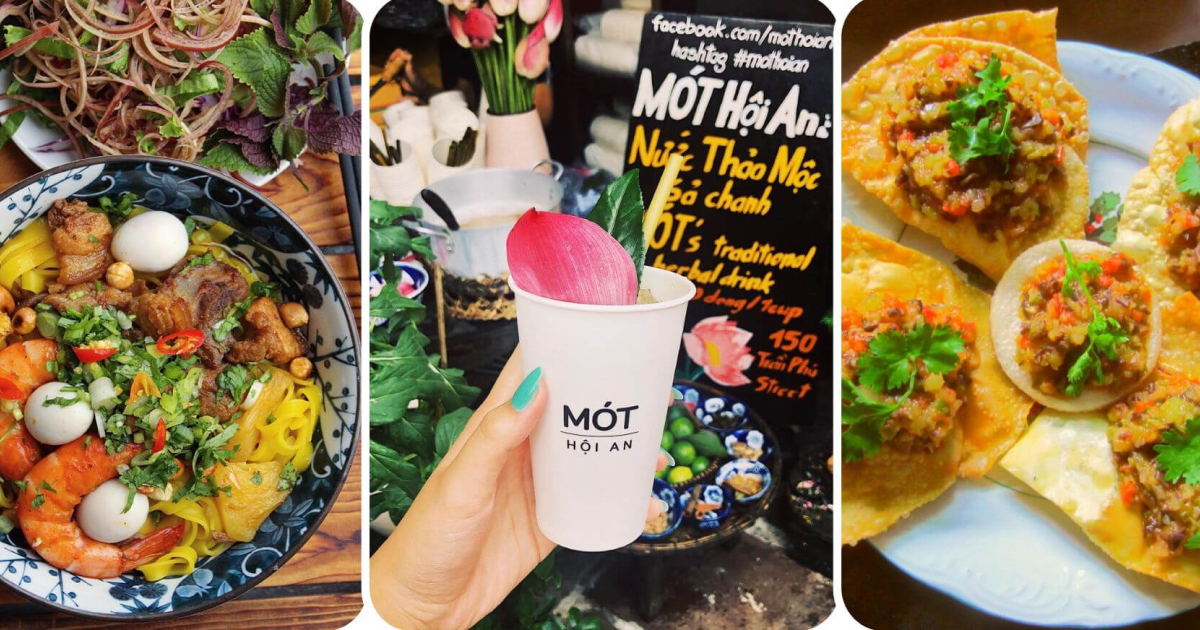
Ingredients & Technique: Thin wonton wrappers are filled with a mix of shrimp, pork, and spices, then deep-fried until exceptionally crispy and puffy. The unique twist is the topping: a light, vibrant, sweet-and-sour salsa made from sautéed tomatoes, pineapple chunks, local herbs, and sometimes slivers of cooked shrimp.
III. Savory Essentials & Noodle Masters
Exploring the heartier, savory dishes that define Central Vietnamese cuisine. Finding the best Mi Quang is essential to appreciating the regional Food in Hoi An.
6. Mi Quang (Quang Nam Turmeric Noodle)
The true regional staple, Mi Quang, is often eaten for breakfast or lunch.
-
Key differences from Cao Lau: Mi Quang uses wider, flat rice noodles (sometimes mixed with turmeric for color) and features a richer, more flavorful broth, though still sparse compared to Pho.
-
Toppings: Varies widely, including shrimp, chicken, pork belly, peanuts, and a quail egg. Crucially, it is always served with a Vietnamese sesame rice cracker (banh trang me) for crunch.
7. Bun Thit Nuong (Grilled Pork Vermicelli Salad)
Perfect for a hot day, this dish is a refreshing symphony of cool noodles and hot grilled meat.
-
Key Technique: Perfectly marinated pork (often thin slices or ground pork skewers, nem nuong) is grilled over charcoal until slightly charred. The dish is layered with soft rice vermicelli, copious amounts of fresh mint, basil, lettuce, and crushed peanuts.
-
The Sauce: The magic lies in the dipping sauce (nuoc cham): a light, sweet, salty, and acidic dressing with chili and garlic that binds all the fresh ingredients together.

8. Banh Xeo (Sizzling Central Vietnamese Crepe)
Named for the sizzling sound it makes when the rice batter hits the hot pan.
-
The Wrapper: A savory crepe made from rice flour, water, and turmeric (for color) and a touch of coconut milk, giving it a delicate crust. Fillings typically include shrimp, sliced pork, and bean sprouts.
-
How to Eat: This is a DIY dish. You take a piece of the crispy crepe, wrap it inside a large lettuce leaf with fresh herbs (must include mustard greens for a spicy kick), and dip it liberally into a rich peanut-based dipping sauce.
9. Nem Lui (Grilled Lemongrass Pork Skewers)
A street food favorite best enjoyed with friends.
-
Key Technique: Seasoned ground pork is wrapped around stalks of lemongrass, which imparts a subtle, fragrant lemon scent to the meat as it grills over hot coals.
-
Serving: Similar to Banh Xeo, these skewers are served with soft rice paper and fresh herbs, intended to be wrapped and dipped in a special, thick, savory-sweet peanut sauce (nuoc leo).
10. Banh Beo (Water Fern Cakes)
A dainty and essential Central Vietnamese snack.
-
Key Technique: Small, delicate cakes made from steamed rice flour and water, served in miniature ceramic saucers. They are topped with a savory, glistening mixture of ground dried shrimp, crispy pork skin croutons (top mo), and scallion oil.
-
Hoi An Style: Traditionally eaten by using a small wooden or bamboo paddle (que tre) to gently scrape the cakes out and into the dipping sauce.

11. Banh Khot (Miniature Savory Pancakes)
Often mistaken for Banh Xeo, but smaller and thicker.
-
Key Technique: These are fried in small circular molds, giving them a thick, crispy bottom crust and a softer interior. Each cake is typically topped with a whole shrimp or squid piece.
-
How to Eat: They are wrapped in lettuce and dipped in nuoc cham, offering a delightful, warm, salty, and crunchy bite.
12. Banh Canh (Tapioca Noodle Soup)
A hearty, comforting alternative to lighter noodle dishes.
-
Key Feature: The noodles are thick, chewy, and often made with tapioca flour, giving the broth a slightly gelatinous and thick consistency. Common toppings include fish cakes (cha ca), sliced pork hock, or crab.
IV. Snacks, Sweets, and Street Side Drinks (dishes 13-20)
No guide to food in Hoi An is complete without the smaller bites, desserts, and unique local beverages.
13. Banh Dap (Smashed Rice Paper)
A textural delight combining softness and crunch.
-
Technique: Chefs place one piece of wet, soft rice paper over a piece of crispy, grilled rice paper. They gently “smash” them together to form a layered crunch, then tear them and dip them into the essential Central Vietnamese fermented fish sauce (mam nem), which adds a pungent depth.

14. Nuoc Mot (Hoi An Herbal Drink)
The town’s famous thirst quencher, easily recognizable by the elegant cart displaying flowers and herbs.
-
Ingredients: A refreshing and mildly medicinal concoction of lemongrass, lime, ginger, cinnamon, and sometimes basil seeds. Servers serve it chilled, making it the perfect accompaniment to the spicy local food.
15. Ca Phe Muoi (Salt Coffee)
Although it originally comes from Hue, Hoi An’s cafes have embraced this trendy drink.
-
The Blend: Strong Vietnamese coffee is mixed with condensed milk and topped with a thick layer of lightly salted, whipped cream/foam, balancing the bitterness of the coffee with sweet and salty notes.
16. Kem Oc Que (Waffle Cone Ice Cream)
A simple, charming dessert, often sold by vendors near the Japanese Bridge. Flavors are usually traditional, like coconut, vanilla, or green tea.
17. Che (Vietnamese Sweet Dessert Soup)
Che is not one dish but a category. In Hoi An, look for Che Bap (corn sweet soup) or Che Sen (lotus seed sweet soup), often served with crushed ice and thick coconut milk.

18. Xien Que Nuong (Grilled Skewers)
The signature night market snack. Various marinated meats (pork, chicken, seafood) are grilled over hot coals. The smoky flavor and spicy dipping sauce make them addictive.
19. Banh Pho Chien Gion (Crispy Fried Pho Noodles)
Chefs create a textural contrast by frying the noodles into a crispy “nest” and topping it with a hearty stir-fry of beef, vegetables, and gravy. You can eat this food in Hoian at the market.
20. Banh Trang Trung (Vietnamese Pizza / Grilled Rice Paper with Egg)
A popular night market snack. Chefs grill rice paper over charcoal, brush it with oil, top it with quail eggs, dried shrimp, scallions, and a touch of chili sauce, fold it, and serve it hot. It’s a food in Hoian that is very delicious
V. The Ultimate Street Food Locations & Expert Tips
Mastering authentic Hoi An street food requires knowing the best times and places to find the original flavors. Follow these tips to find authentic, world-class food in Hoi An.
1. Key Culinary Hubs & Timing
|
Location |
Focus |
Best Time to Visit |
Expert Tip |
|---|---|---|---|
|
Hoi An Market (Cho Hoi An) |
Iconic Dishes (Cao Lau, Mi Quang, Com Ga) and fresh ingredients. |
7:00 AM – 2:00 PM |
Eat inside the food court for the most variety and fixed prices. Look for high-turnover stalls. |
|
Hoi An Night Market |
Snacks (Banh Trang Nuong, Xien Que Nuong), desserts, and souvenirs. |
6:00 PM – 9:30 PM |
Great atmosphere, but prices can be slightly higher than the main market. |
|
Trần Phú Street / Hoàng Diệu Street |
Specific Banh Mi and smaller local shops. |
All Day |
Madame Phuong is on Hoang Dieu; look for local Banh Mi competitors on Tran Phu for variety. |
|
Sidewalk Stalls |
Banh Beo, Banh Khot, and authentic local soups. |
Early Morning (6 AM – 9 AM) |
Look for stalls with low plastic stools; this guarantees a truly local, cheap, and often delicious experience. |

2. Essential Hoi An Dining Etiquette & Tips
-
Embrace the Herbs: Central Vietnamese food is defined by its abundance of fresh herbs (mint, basil, coriander, mustard greens). Using these generously is key to enjoying the vibrant food in Hoi An.
-
The Art of Dipping: Never just pour the sauce over the food. Dipping allows you to control the flavor intensity of the essential nuoc cham (fish sauce mix) or mam nem (fermented fish sauce).
-
Use Cash (VND): Street food vendors rarely accept cards. Carry small denominations (5,000 to 50,000 VND).
-
Hygienic Gauge: A high turnover of local customers is always the best indicator of freshness and food quality.
Conclusion
Food in Hoi An is a complex tapestry woven from history, specific local resources, and the culinary pride of the Quang Nam people. By exploring these 20 must-try dishes and following this Ultimate Street Food Guide, you will move beyond a tourist’s tasting menu to a true connoisseur’s feast. Be adventurous, eat low, and let the historical flavors of Hoi An become the most enriching memory of your trip.
With Simply Vietnam Travel, we carefully plan every detail of your trip. As experts in Central Vietnam tours, we offer diverse itineraries combining sightseeing, relaxation, and local cuisine for a truly memorable journey.
A Central Vietnam adventure will be far more exciting when you simply bring your sense of exploration, while the planning is handled by Simply Vietnam Travel.
Contact us through the following channels for a free consultation:
- Fanpage: Simply Vietnam Travel
- Hotline: +84 793553385
Frequently Asked Questions (FAQs)
Here are the answers to some common questions about experiencing food in Hoi An:
1. What is the single most unique dish in Hoi An that I cannot find anywhere else?
The single most unique dish is Cao Lau. Its specific preparation, which traditionally requires water from the ancient Ba Le well and ash from Cu Lao Cham island for the noodles, makes it an authentically Hoi An specialty that is virtually impossible to replicate elsewhere.
2. Where is the best area to find a wide variety of local street food?
The Hoi An Market (Cho Hoi An) food court, especially during the morning and early afternoon (7:00 AM – 2:00 PM), is the best central hub. You will find all the iconic dishes like Mi Quang, Cao Lau, and Com Ga at competitive, fixed prices here.
3. Is Hoi An’s cuisine generally spicy?
Central Vietnamese food, including many dishes found in Hoi An, tends to be spicier than Northern or Southern Vietnamese cuisine. However, people usually add chili through side condiments (fresh chili, chili oil, or spicy dipping sauce), allowing them to easily adjust the heat level to their preference.
4. What unique local drink should I try while exploring the Ancient Town?
You should definitely try Nuoc Mot. This is a refreshing herbal drink served from an elegant street cart, made from a blend of lemongrass, ginger, lime, and cinnamon. It is a perfect, mildly medicinal palate cleanser.
5. Are there good vegetarian/vegan options available in Hoi An?
Yes. Hoi An is very vegetarian-friendly. Chefs can make many dishes, including Cao Lau and Mi Quang, with tofu and vegetable broth upon request. Look for local signs saying “Cơm Chay” (Vegetarian Rice) or “Quán Chay” (Vegetarian Eatery) for dedicated options.