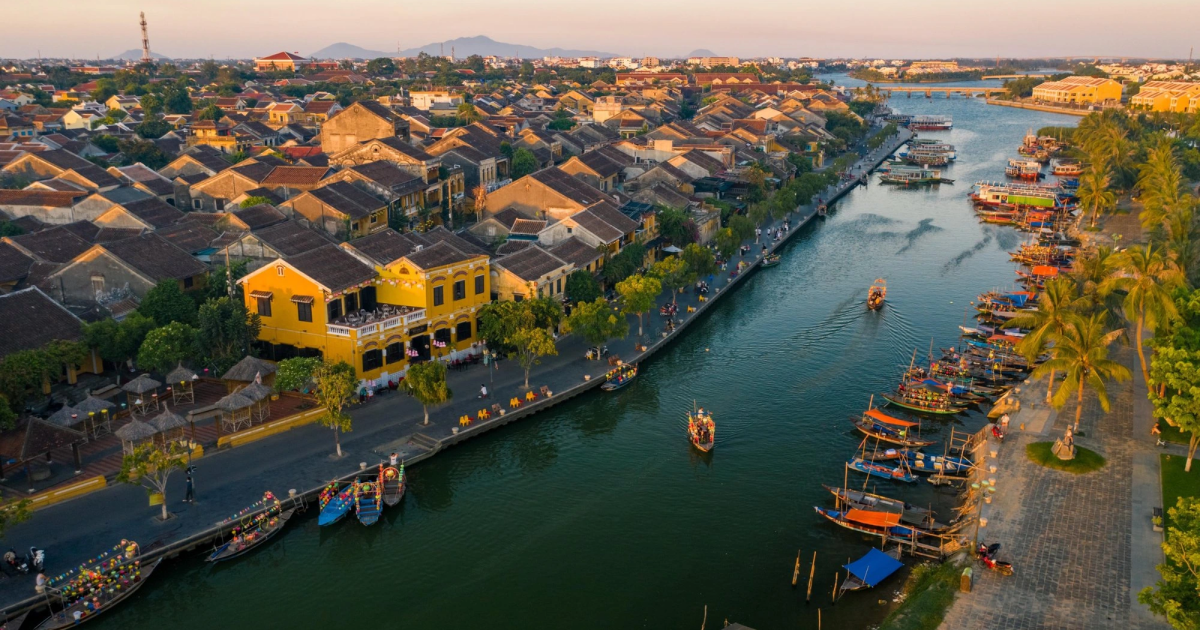
Hoi An travel guide 2026: Ultimate tips, things to do & itineraries
The Hoi An travel guide 2026 highlights Hoi An as one of Vietnam’s premier destinations, renowned for its UNESCO World Heritage cultural sites and a timeless blend of history and modernity. In 2026, Hoi An tourism is projected to experience significant growth, driven by sustainable preservation initiatives and innovative cultural events, attracting travelers seeking authentic experiences. This guide offers comprehensive insights into Hoi An travel 2026, including efficient planning tips, standout activities, and flexible itineraries ranging from 3 to 7 days. Based on data updated as of November 2025, this article equips you to prepare an optimized journey, emphasizing practical value and sustainability.
Overview of Hoi An
Geographical Location in Hoi An travel guide
Hoi An is situated in Quang Nam Province, central Vietnam, approximately 30 km south of Da Nang City. The ancient town is bordered by the Thu Bon River to the east and the Marble Mountains (Ngu Hanh Son) to the west, establishing its historical strategic position as an international trading port since the 16th century.
From Hoi An, visitors can easily access nearby landmarks: Da Nang (30 minutes by car), Hue (3 hours by bus), and My Son (40 km). Da Nang International Airport serves as the primary gateway, supported by well-developed road and waterway networks that facilitate seamless regional connectivity.

Overview of Hoi An Temperatures
As detailed in this Hoi An travel guide 2026, Hoi An features a typical tropical monsoon climate, divided into two main seasons: the dry season from February to August (average temperatures of 25-35°C, with minimal rainfall, ideal for outdoor activities) and the rainy season from September to January (temperatures of 20-28°C, featuring short bursts of rain that may lead to localized flooding).
February to April is often rated as the prime period due to its mild weather and low humidity, providing optimal conditions for heritage exploration. Travelers are advised to monitor weather forecasts via reliable apps to adjust itineraries, particularly avoiding the rainy season if prioritizing outdoor pursuits.
Ultimate Tips for Hoi An Travel 2026
Optimize your trip with practical recommendations drawn from Vietnam’s 2026 tourism trends. These tips prioritize efficiency, cultural respect, and eco-friendly choices to make the most of your time.
Ideal Timing
For a vibrant atmosphere, target February to April, coinciding with the Hoi An Lantern Festival (February 12-14, 2026)—featuring thousands of eco-friendly LED lanterns illuminating the ancient town and symbolizing prosperity, as highlighted in the Hoi An travel guide.
May to August appeals to beach enthusiasts with fewer crowds and discounted rates, while September to January’s drizzles suit indoor workshops—avoid peak holidays like Tet (January 17-23, 2026) or Reunification Day (April 30-May 1) to evade crowds.

Recommendation: Coordinate with monthly full-moon lantern nights for mesmerizing illuminations, and book accommodations 3-6 months in advance via Booking.com to secure 15-20% discounts on festival packages.
Arrival and Transportation
Fly into Da Nang International Airport (DAD), just 30 km north, with direct flights from Hanoi (1 hour) or Ho Chi Minh City (1.5 hours). Opt for eco-shuttles or shared vans (45 minutes) over taxis for a more sustainable entry. From Hue, a 3-hour coastal bus journey reveals lush rice paddies. Once there, utilize electric bikes for a serene exploration of the car-free ancient town or join guided Vespa tours for countryside excursions. Prioritize apps like Grab for dependable rides and offline maps to navigate the compact layout effortlessly.
Accommodations and Dining
Seek stays in the ancient town for boutique inns evoking colonial elegance (1.5-3 million VND/night) or riverside resorts with luxury river views (4-7 million VND)—endorsed in Hoi An travel guides for their authentic comfort. An Bang beachfront offers tranquil villas (8 million VND+). For dining, join guided street food tours to uncover family recipes, budgeting 300,000 VND daily for cao lau noodles or white rose dumplings while supporting local artisans.

Sustainability and Essentials
Adopt Hoi An’s 2026 green initiatives by selecting certified eco-tours and community homestays that empower local artisans. Pack lightly with reusable items and observe quiet hours at heritage sites. Allocate 2-4 million VND per day for a balanced mix of lodging, meals, and experiences; the e-visa (25 USD) simplifies entry for most nationalities.
These tips guarantee a refined, responsible itinerary that unlocks Hoi An’s deeper layers.
Things to Do in Hoi An 2026: 10 Immersive Experiences to Ignite Your Senses
Beyond superficial sightseeing, these 10 curated activities weave Hoi An’s 400-year tapestry of trade, resilience, and artistry. Each provides historical context, practical details, and transformative insights—ideal for 2026’s emphasis on authentic, low-impact interactions. Dedicate 2-4 hours per activity, with costs for one person, as recommended in this Hoi An travel guide.
1. Stroll the Ancient Town with a Guided Heritage Tour (2-3 Hours, ~200,000 VND)
Begin at the iconic Japanese Covered Bridge (built in 1593, an engineering marvel blending Shinto and Buddhist motifs for flood resistance), then follow silk merchants’ paths to Tan Ky House, an 18th-century treasure preserving ancient correspondence from global traders.
This walking tour unveils Hoi An’s role as Asia’s Silk Road hub; join a local historian-led group for anecdotes on its multicultural postwar revival.

2. Release Eco-Lanterns on the Thu Bon River (Full Moon Evening, ~250,000 VND)
Craft a bamboo-and-LED lantern at Kim Bong woodworking village before setting it afloat—a ritual rooted in 17th-century fishing lore, now updated for zero-waste with solar-powered lights.
The moon’s reflection creates a hypnotic sea of glows; pair it with a brief boat ride for intimate views of illuminated pagodas.
3. Paddle Basket Boats in Thanh Ha Pottery Village (2 Hours, ~300,000 VND)
Glide through palm-lined canals in traditional round coracles, netting crabs and learning clay-throwing from generational potters. This 500-year-old craft sustained riverside communities; it’s a playful yet profound reminder of Hoi An’s agrarian roots, as featured in this Hoi An travel guide, concluding with a hands-on session to shape your own memento.
4. Explore My Son Sanctuary and Cham Dance Workshop (Half-Day, ~500,000 VND)

Travel 40 km to these 4th-century Hindu temples, red-brick relics of the Champa Empire nestled in jungle ruins. A guided trek reveals intricate carvings symbolizing forgotten kings; it end with an Apsara dance lesson, tracing graceful movements that influenced modern Vietnamese ao dai designs—essential for history enthusiasts seeking pre-colonial depth.
5. Master Organic Cooking in Tra Que Vegetable Village (3 Hours, ~600,000 VND)
Harvest pesticide-free herbs from this 300-year-old garden, then prepare cao lau—a chewy noodle dish infused with secret Japanese trader spices—in a family kitchen. This farm-to-table ritual highlights sustainable agriculture’s role in Hoi An’s culinary evolution; savor your creation amid vegetable mosaics for a sensory delight.
6. Sunrise Yoga and Stand-Up Paddleboarding at An Bang Beach (Morning, ~400,000 VND)
Unroll your mat on this pristine stretch (one of Asia’s cleanest, bolstered by 2026 marine conservation efforts), flowing through sun salutations as waves lap the shore. Transition to SUP amid fishing boats for a meditative glide; it’s a harmonious fusion of wellness and coastal heritage, where ancient salt fields meet modern eco-retreats.
7. Vespa Adventure Through Countryside Trails (4 Hours, ~800,000 VND)
Cruise past emerald rice paddies and bronze-casting workshops on vintage Vespas with a local driver-narrator. Pause at former war-era bunkers turned community centers to uncover rural resilience tales. This offbeat route contrasts urban hustle with verdant tranquility—perfect for photographers chasing golden-hour shots, as noted in Hoi An travel guides.
8. Immerse in Hoi An Memories Show 2.0 (Evening, ~500,000 VND)

Witness this open-air spectacle of water, light, and augmented reality projections recounting Hoi An’s port-to-present saga—from spice galleons to lantern-lit reunions. Upgraded with interactive AR elements in 2026, it’s not mere entertainment but a poetic tribute to collective memory, viewed from tiered riverside seats.
9. Bespoke Tailoring at A Dong Silk (2 Days, 1-3 Million VND)
Select heirloom silks from local weavers and co-design an ao dai or suit in this 20th-century atelier, famed for outfitting Vietnamese icons. Fittings reveal the garment’s evolution from imperial courts to feminist symbols; they emerge transformed, piece in hand, embodying Hoi An’s timeless elegance.
10. Ascend Marble Mountains with Zipline Thrills (Half-Day, ~400,000 VND)
Hike mist-shrouded paths to limestone caves housing ancient Buddhist altars, gazing over Da Nang’s skyline from summit pagodas. Add a 2026 zipline dash through karst forests for adrenaline amid spirituality; this fusion site bridges Hoi An’s maritime legacy with inland mysticism.
Hoi An Itineraries 2026: Hoi An travel guide
These itineraries, designed for varying paces and balancing heritage, adventure, and relaxation as suggested in Hoi An travel guides, are detailed with daily flows, key inclusions, and approximate costs for two (excluding flights). Adjust based on energy levels; all assume a central ancient-town base.

3-Day Itinerary: Heritage Pulse (Total ~4.5 Million VND)
- Day 1: Arrival and Ancient Echoes: Morning transfer from Da Nang (shuttle included). Afternoon: Guided heritage tour through Japanese Bridge and Tan Ky House (2 hours, 400,000 VND total). Evening: Lantern release on Thu Bon with a dinner cruise featuring cao lau (3 hours, 1 million VND). Conclude with riverside tea overlooking glowing facades.
- Day 2: Village Rhythms: Morning: Organic cooking class in Tra Que, harvesting and preparing a full meal (3 hours, 1.2 million VND). Afternoon: Basket boat paddle in Thanh Ha, crafting pottery souvenirs (2 hours, 600,000 VND). Evening: Free stroll through the night market for silk browsing.
- Day 3: Sanctuary Farewell: Morning: My Son excursion with Cham dance introduction (half-day, 1 million VND). Afternoon: Relaxing yoga at An Bang Beach (1 hour, 800,000 VND) before departure transfer. Depart with an ao dai fitting if time permits.
5-Day Itinerary: Cultural Immersion (Total ~8 Million VND)
- Days 1-2: As in the 3-day plan.
- Day 3: Verdant Ventures: Full morning Vespa countryside tour, visiting rice fields and bronze villages with a picnic lunch (4 hours, 1.6 million VND). Afternoon: Rest or optional silk workshop. Evening: Hoi An Memories show under the stars (1.5 hours, 1 million VND).
- Day 4: Coastal Serenity: Sunrise SUP and yoga at An Bang (2 hours, 800,000 VND), followed by a beachside seafood feast. Afternoon: Marble Mountains hike and zipline (half-day, 800,000 VND). Evening: Pottery glazing revisit from Day 2.
- Day 5: Reflective Departure: Morning lantern-making at Kim Bong (2 hours, 600,000 VND). Afternoon: Free time for tailoring pickup and market bargaining. Evening transfer, perhaps with a Thu Bon sunset cruise (1 million VND).

7-Day Itinerary: Sustainable Odyssey (Total ~12 Million VND, Ideal for Tet Overlap)
- Days 1-5: As above, incorporating Tet festivities if visiting January 2026 (additional lantern parades, no extra cost).
- Day 6: Eco-Explorations: Morning eco-tour to Cu Lao Cham Biosphere Reserve by boat (half-day snorkeling and marine talk, 2 million VND). Afternoon: Tra Que farm revisit for advanced herb foraging. Evening: Community dinner with local musicians sharing folk tales.
- Day 7: Timeless Farewell: Morning bespoke tailoring finale and heritage photo session (2 hours, 1 million VND). Afternoon: Marble Mountains revisit for deeper cave meditations. Evening: Grand lantern festival if full moon aligns, followed by departure with a curated spice market haul.
Conclusion
This Hoi An travel guide shows how Hoi An in 2026 transcends a mere destination, delivering profound heritage and cultural exploration that enriches Vietnam’s holistic portrait. With practical tips, in-depth activities, and flexible itineraries, it empowers you to craft an effective trip. Which itinerary appeals to you most? Share your thoughts in the comments below.
With Simply Vietnam Travel, you can rest assured that every detail of your itinerary has been meticulously prepared. As a specialist in organizing Central Vietnam tours, we offer you a diverse selection of well-structured itineraries that blend sightseeing, relaxation, and local cuisine, ensuring a fulfilling journey to unforgettable destinations.
A Central Vietnam adventure will be far more exciting when you simply bring your sense of exploration, while the planning is handled by Simply Vietnam Travel.
Contact us through the following channels for free consultation:
- Fanpage: Simply Vietnam Travel
- Hotline: +84 793553385
Frequently Asked Questions (FAQ) in the Hoi An Travel Guide
1. What is the average cost for a 3-day trip to Hoi An?
Approximately 4-5 million VND for 2 people (including accommodation, meals, and basic activities, excluding flights). It’s cheaper if you opt for homestays and street food.
2. What visa do international travelers need for Hoi An?
An e-visa costing 25 USD for most nationalities simplifies entry procedures. Check updates via Vietnam Immigration for 2026 regulations.
3. How to combine Hoi An with Da Nang?
Use Hoi An travel guide as your base and take a day trip to Da Nang (30 minutes) to visit Marble Mountains or Dragon Bridge. A 5-day combined itinerary balances heritage and modernity.
4. What is special about Hoi An’s weather in 2026?
Tropical monsoon climate with a dry season (February-August, 25-35°C, low rain) and rainy season (September-January, 20-28°C, short showers). February-April is ideal for heritage sites due to mild weather; monitor forecasts to avoid flooding.
5. What iconic Hoi An cuisine should not be missed?
Cao lau, Phuong baguette, and white rose dumplings—try them via a 300,000 VND food tour to explore family origins and support local eateries.