Lô 22 B2-14, Khu đô thị Hòa Hải H1-3, Đà Nẵng, Việt Nam
hi@simplyvietnamtravel.com
+84 793 553 385
Mon – Sun 8.00 – 18.00

 travel
1 April 2026
travel
1 April 2026
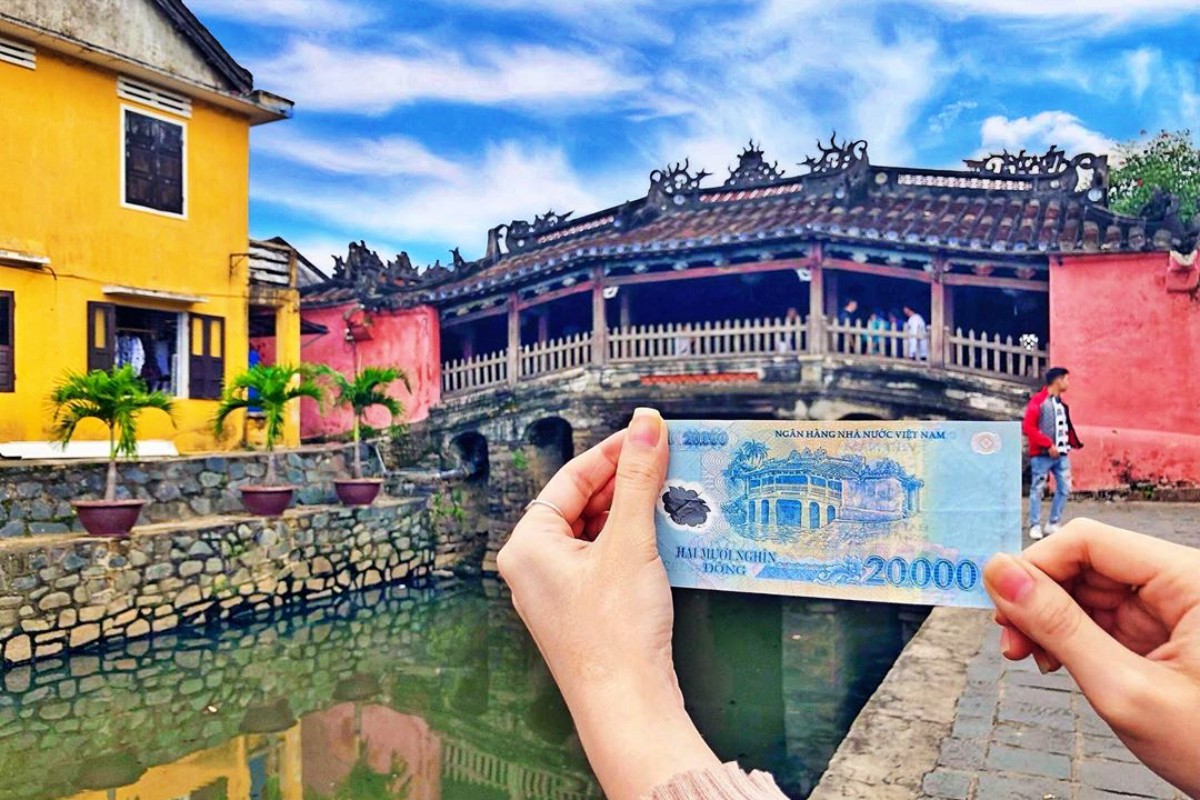
Hoi An Ancient Town is one of Vietnam’s most charming destinations, famous for its lantern-lit streets, centuries-old houses, and rich trading history. Among its many cultural landmarks, the Japanese Bridge stands out as the most recognizable symbol of the city. Built hundreds of years ago, this historic structure reflects the cultural exchange that once flourished in the bustling port town. Today, travelers from around the world visit Hoi An to admire its unique architecture and timeless atmosphere. For those planning a deeper journey into the heritage of central Vietnam, Simply Vietnam Travel offers curated experiences that reveal the authentic stories behind the town’s most iconic landmarks.
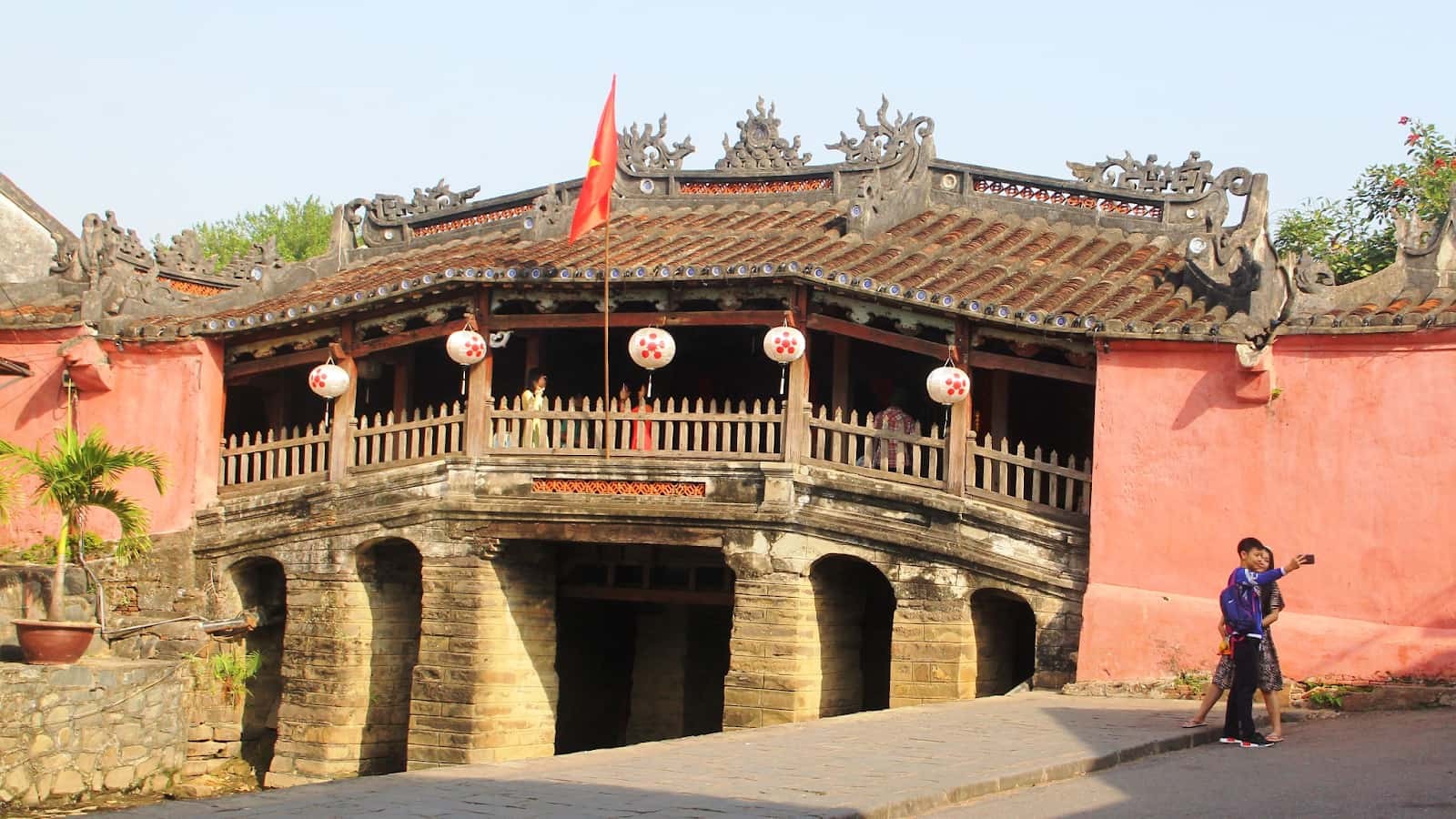
Standing quietly in the heart of the ancient town, the Japanese Bridge represents centuries of history and cultural exchange. More than just a physical crossing, it reflects the story of Hoi An during its golden age as a thriving international trading port. Understanding the background of this historic landmark helps visitors appreciate why it has become one of the most treasured symbols of the city today.
The Japanese Bridge is located in the center of Hoi An Ancient Town, connecting Nguyen Thi Minh Khai Street and Tran Phu Street, two of the most historic streets in the old quarter. Because of its central position, travelers often encounter the bridge naturally while walking through the lantern-filled streets and traditional shop houses that define the charm of Hoi An.
Surrounded by historic architecture, temples, and small local businesses, the bridge forms an important part of the cultural landscape. Many visitors come specifically to explore the Japanese Bridge Hoi An history, which tells the story of how different trading communities once lived and interacted in this vibrant port town.
The Japanese Bridge dates back to the late 16th century, when Hoi An was one of the busiest trading ports in Southeast Asia. Merchants from Japan, China, and other regions regularly sailed to the town to exchange goods such as silk, ceramics, spices, and precious materials.
During this period, the Japanese merchant community constructed the bridge to connect their residential quarter with the Chinese neighborhood across the canal. Built primarily from wood and supported by stone foundations, the structure was designed to endure both the humid climate and seasonal floods that affected the region.
Over time, the Japanese Bridge evolved into a powerful symbol of cultural exchange. Although it was originally built by Japanese merchants, the structure gradually incorporated architectural influences from Vietnamese and Chinese traditions.
This blend of styles can be seen in the roof design, decorative carvings, and spiritual elements integrated into the structure. The bridge therefore reflects the multicultural character of Hoi An during its golden trading era, when merchants from many countries lived side by side and contributed to the prosperity of the town.
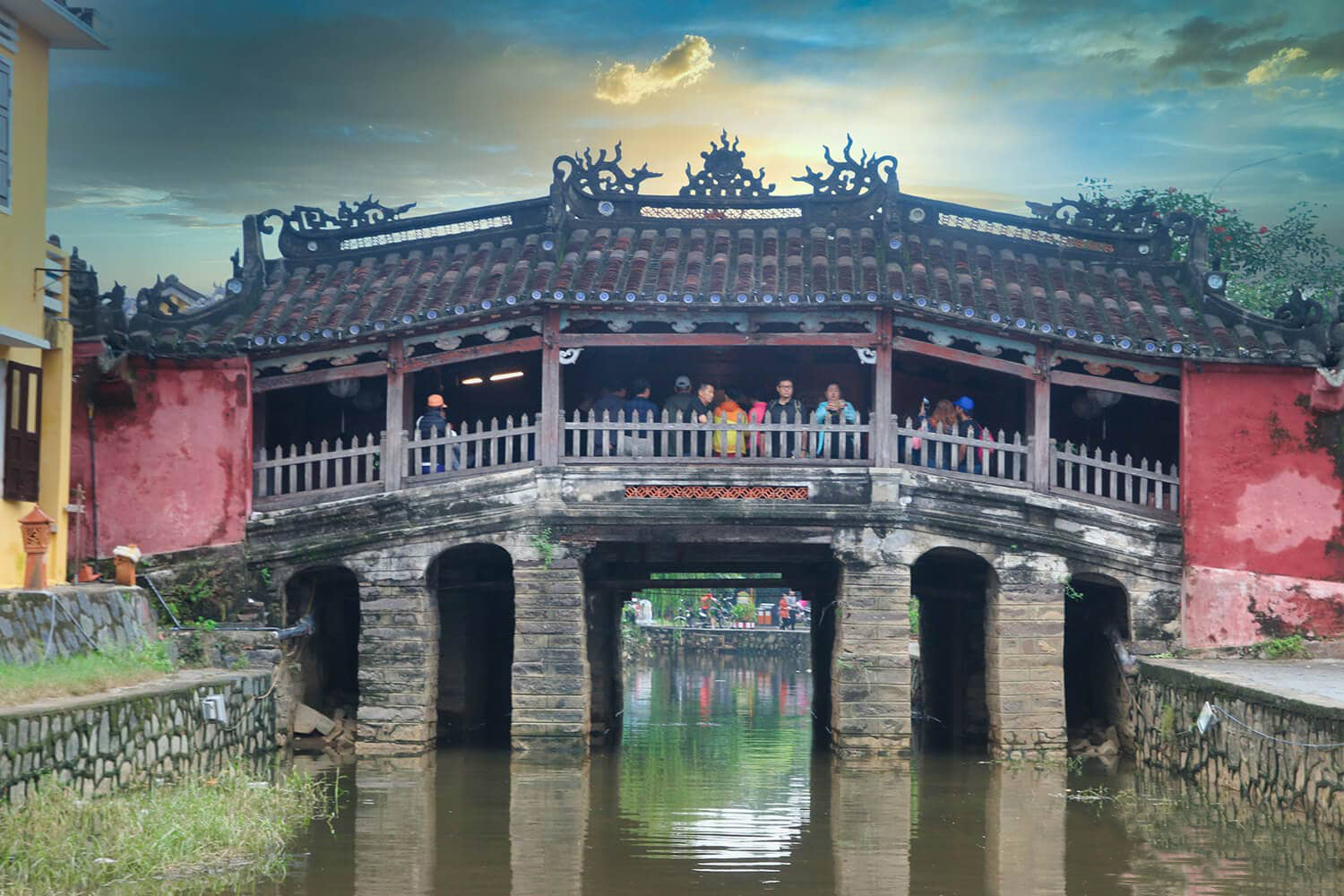
Beyond its historical significance, the Japanese Bridge is also admired for its distinctive design and symbolic meaning. Unlike ordinary bridges, this structure combines practical engineering with spiritual and artistic elements. Its architecture reflects a blend of Japanese, Vietnamese, and Chinese influences, making it one of the most unique cultural landmarks in Hoi An.
One of the most recognizable features of the Japanese Bridge is its traditional covered design. The structure includes a wooden roof that protects the walkway from sun and rain, creating a peaceful and shaded passage for people crossing the canal. This design was both practical and aesthetically pleasing, allowing the bridge to serve as a comfortable space for daily movement in the busy trading port.
The roof, wooden beams, and decorative details give the bridge a distinctive appearance that immediately stands out among the historic buildings of the ancient town. Because of its unique structure and cultural importance, the bridge is often referred to as the Hoi An Japanese Covered Bridge, a name that highlights its distinctive architectural style.
The beauty of the Japanese Bridge lies in its carefully crafted details. The structure features carved wooden elements, curved roof tiles, and decorative patterns that reflect traditional Asian craftsmanship. These details demonstrate the high level of skill used by the builders who constructed the bridge centuries ago.
Scholars and historians often study the Japanese Bridge architecture to understand how multiple cultural influences shaped the final design. Japanese structural techniques combine with Vietnamese decorative styles and Chinese symbolic elements, creating a harmonious architectural identity that represents the multicultural history of Hoi An.
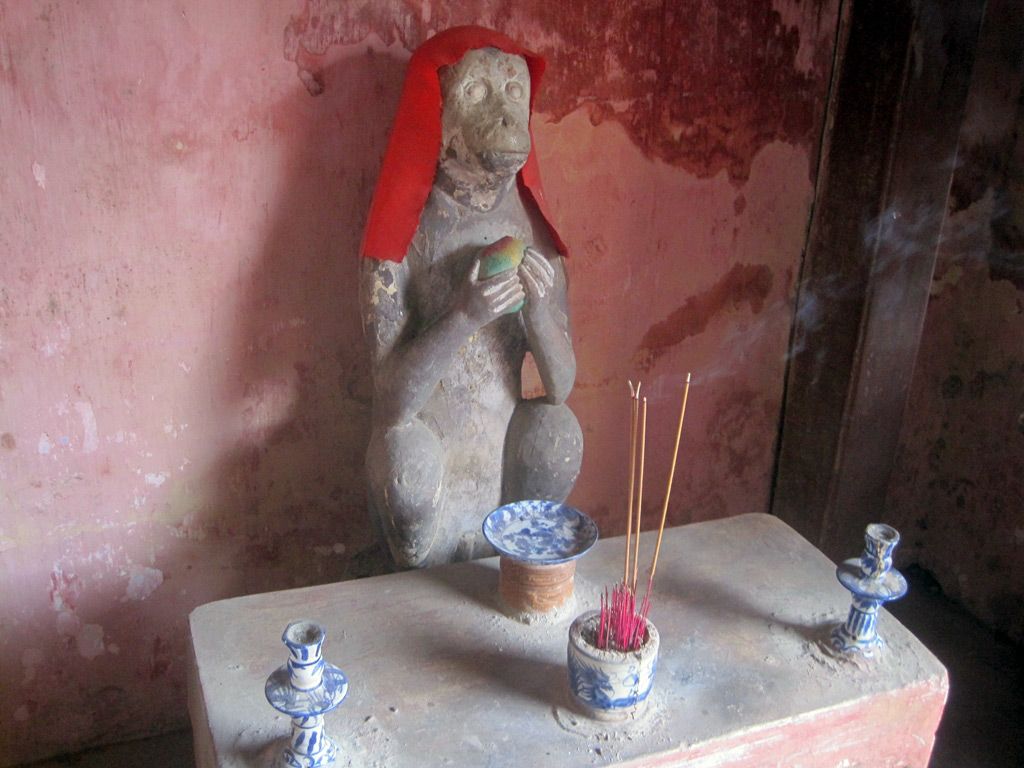
Another remarkable feature of the Japanese Bridge is the small temple located within the structure itself. Unlike most bridges, which simply connect two points, this one also serves a spiritual purpose. Inside the temple, visitors can find an altar dedicated to Tran Vo Bac De, a Taoist deity believed to protect the land from natural disasters and floods.
This spiritual element highlights the deep connection between daily life and religious beliefs in traditional Asian communities. As travelers walk across the bridge, they are not only passing over a historic canal but also stepping into a space that reflects the spiritual traditions of the people who once lived and traded in Hoi An.
Today, the Japanese Bridge is one of the most visited landmarks in Hoi An Ancient Town. For travelers who want to explore more highlights of the city, reading a complete Hoi An travel guide can help you plan the perfect itinerary before visiting this historic site.
Visitors who wish to step inside the structure should note that the Japanese Bridge is part of the Hoi An Ancient Town heritage ticket system. Access to several historical attractions in the old quarter is included within the same ticket package.
For many travelers planning their visit, it is helpful to understand the Japanese Bridge entrance fee, which is covered by the general ticket for Hoi An’s preserved cultural sites. This ticket typically allows entry to multiple historic houses, assembly halls, and museums, making it a convenient way to explore the town’s heritage.
The Japanese Bridge can be visited at any time of day, but certain moments offer a more special experience. Early morning is often the quietest time, when the streets are still calm and soft sunlight highlights the historic architecture surrounding the canal.
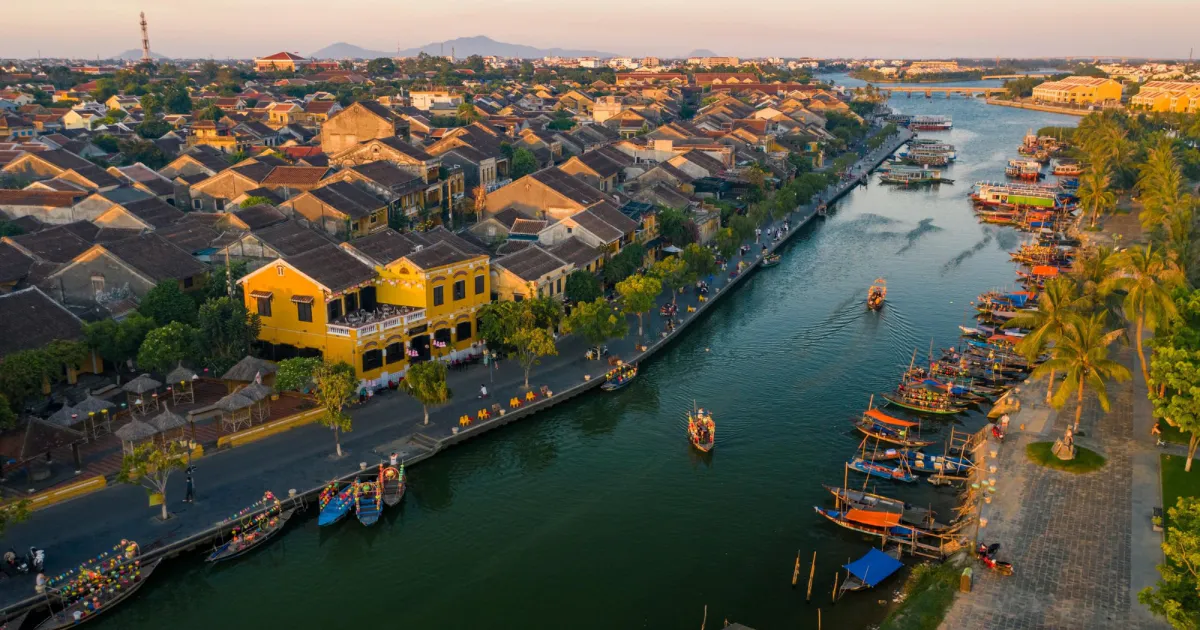
In the evening, the atmosphere changes dramatically as colorful lanterns illuminate the ancient town. The bridge becomes part of a romantic night scene reflected in the nearby river, creating one of the most photographed views in Hoi An. After enjoying the night scenery, many visitors continue exploring the town’s vibrant street life and local restaurants. If you are curious about what to try, this guide to food in Hoi An introduces some of the most famous local dishes.
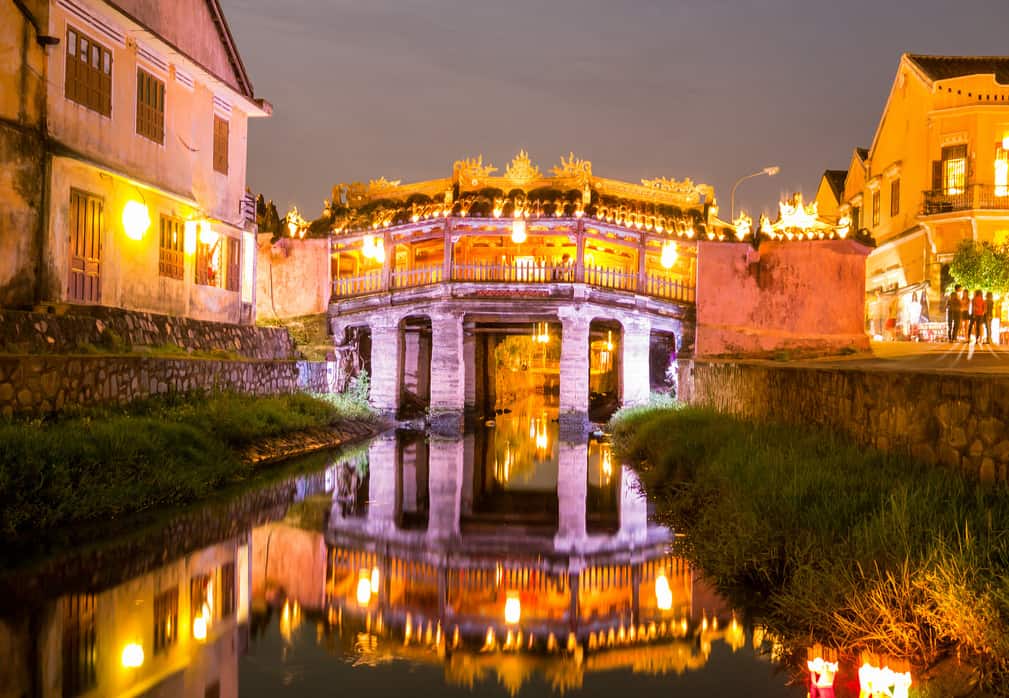
When visiting the Japanese Bridge, walking is the best way to explore the surrounding area. The old town is largely pedestrian-friendly, allowing travelers to slowly discover nearby temples, historic houses, and small local cafés.
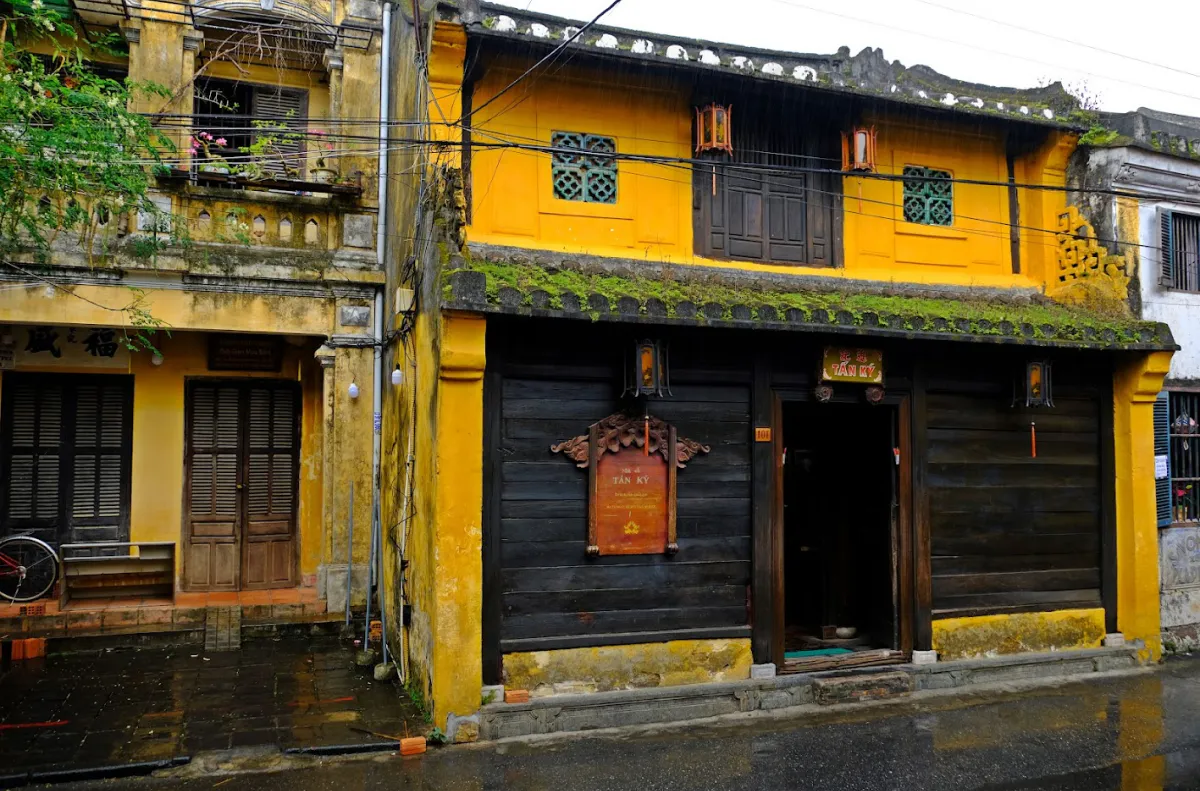
It is also a good idea to bring a camera, as the bridge and its surroundings provide countless photo opportunities throughout the day. Taking time to explore the nearby streets will help visitors experience not only the landmark itself but also other historic sites such as Tan Ky Ancient House, one of the best-preserved merchant homes in the ancient town.
With centuries of history and a distinctive architectural style, the Japanese Bridge continues to stand as one of the most meaningful cultural landmarks in Hoi An Ancient Town. More than just a historic structure, it represents the spirit of cultural exchange that once defined this vibrant international trading port. Visitors who walk across the bridge today are not only admiring a beautiful piece of heritage but also experiencing a story that connects Japan, Vietnam, and other trading communities from centuries past.
Exploring this iconic site is often one of the highlights of any journey to Hoi An. From its traditional design to the spiritual temple inside, every detail reflects the rich heritage of the ancient town. If you are planning to discover Hoi An and other cultural destinations across Vietnam, consider traveling with Simply Vietnam Travel for thoughtfully designed experiences that reveal the authentic beauty and history of the country.
Contact us through the following channels for free consultation:
Where is the Japanese Bridge located?
The Japanese Bridge is located in the center of Hoi An Ancient Town, connecting Nguyen Thi Minh Khai Street and Tran Phu Street.
Do visitors need a ticket to visit the Japanese Bridge?
Yes, visitors usually need a Hoi An Ancient Town heritage ticket to enter and explore the bridge.
What makes the Japanese Bridge special in Hoi An?
The Japanese Bridge is famous for its unique architecture and its history as a symbol of cultural exchange in Hoi An.