Lô 22 B2-14, Khu đô thị Hòa Hải H1-3, Đà Nẵng, Việt Nam
hi@simplyvietnamtravel.com
+84 793 553 385
Mon – Sun 8.00 – 18.00

 travel
18 May 2026
travel
18 May 2026
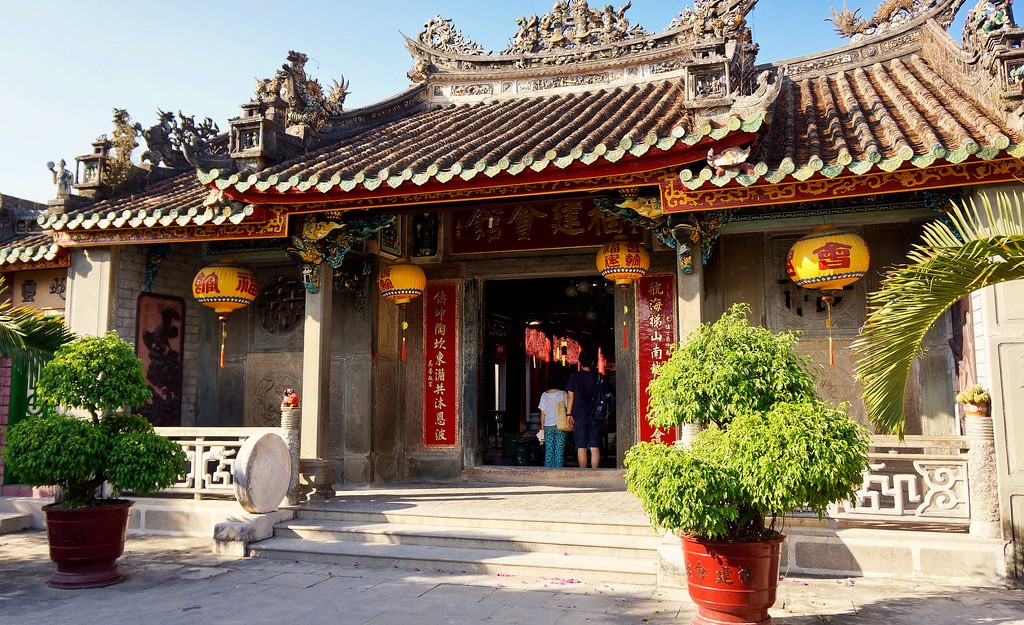
There is a different rhythm hidden beneath Hoi An’s lantern-lit streets and postcard-perfect corners. Beyond the riverside cafés and famous heritage houses lies a quieter world of incense, ancient rituals, and stories carried through generations. Temple Hopping in Hoi An is not simply about visiting sacred places; it is a way to slow down and discover the city’s deeper cultural soul. At Simply Vietnam Travel, we believe the most memorable journeys often begin where curiosity leads beyond the obvious.
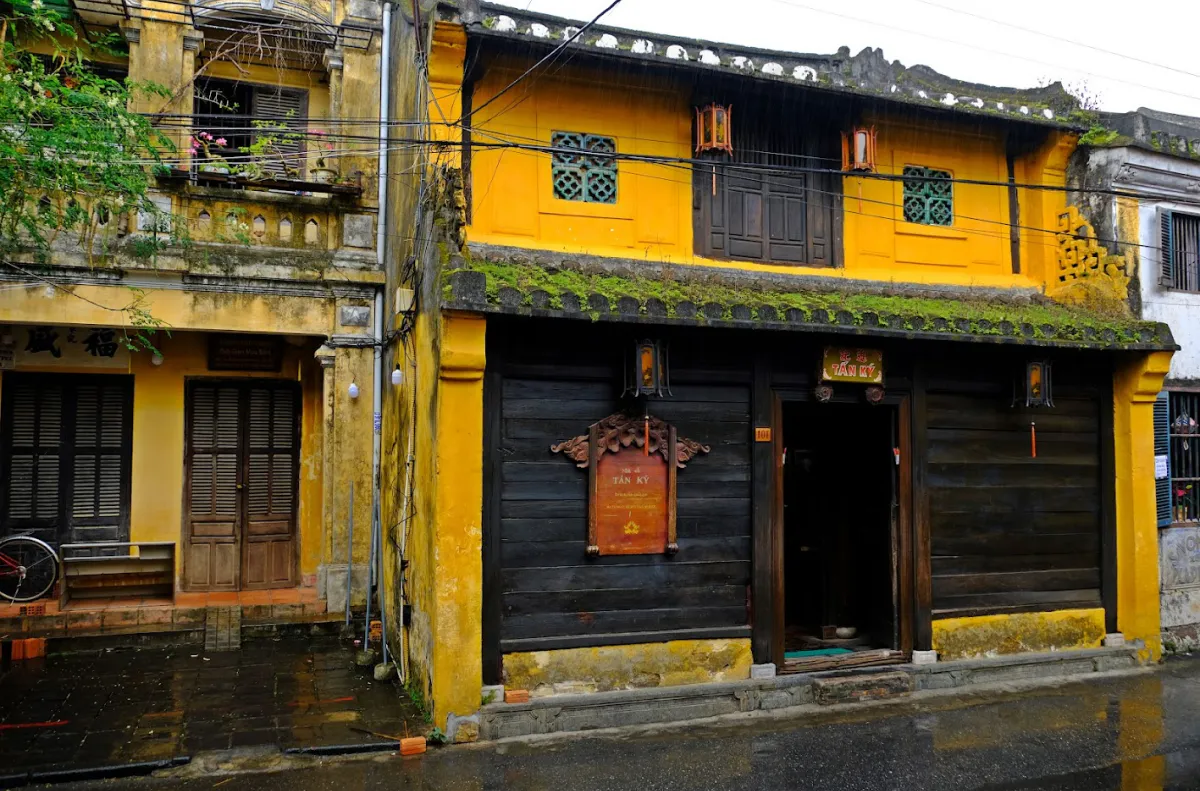
Most travelers arrive in Hoi An with a familiar image in mind: glowing lanterns, yellow heritage houses, and lively riverside evenings. While these scenes deserve their popularity, they often reveal only one layer of the destination. To understand the city more deeply, travelers need to step away from the busy streets and enter spaces where daily life and tradition quietly continue.
Temples have long been part of the city’s identity. Long before Hoi An became a famous destination, these sacred places served as centers of worship, gathering, and community connection. Today, they remain woven into local routines, preserving stories that cannot always be found in museums or guidebooks. For many travelers, Temple Hopping in Hoi An becomes a way to move beyond famous attractions and experience the city’s cultural rhythm from a more meaningful perspective.
The city’s spiritual spaces are more than architectural landmarks. They form an important part of Hoi An cultural heritage, reflecting centuries of trade, migration, and cultural exchange. Merchants from different regions once brought their customs and beliefs here, leaving behind a rich spiritual landscape influenced by Vietnamese, Chinese, and Japanese traditions.
Many visitors are surprised to discover that each temple carries a distinct purpose. Some honor historical figures, others are dedicated to protective deities, while neighborhood temples often remain closely connected to local families and traditions. This diversity creates a cultural map that reveals how communities evolved over time.
Walking through these spaces also offers a slower experience compared to major attractions. The scent of incense drifting through the air, weathered wooden carvings, and quiet courtyards create moments that encourage observation rather than rushing from one photo stop to another. This is one reason why Temple Hopping in Hoi An appeals to travelers looking for experiences that feel more authentic and culturally immersive.
Many visitors spend their time following the most visible highlights: lantern streets, markets, tailor shops, and riverside cafés. While these experiences are enjoyable, they can unintentionally turn a trip into a checklist rather than a meaningful exploration.
Sacred spaces invite a different pace. They encourage travelers to pause, notice details, and experience local life beyond tourism. Sometimes the most memorable travel moments happen unexpectedly — hearing distant temple bells in a narrow alley, seeing local residents lighting incense at sunrise, or stepping into a peaceful courtyard hidden behind a crowded street.
For travelers seeking meaningful experiences rather than only photographs, these places reveal a side of Hoi An that feels quieter, more personal, and often more memorable long after the trip ends.
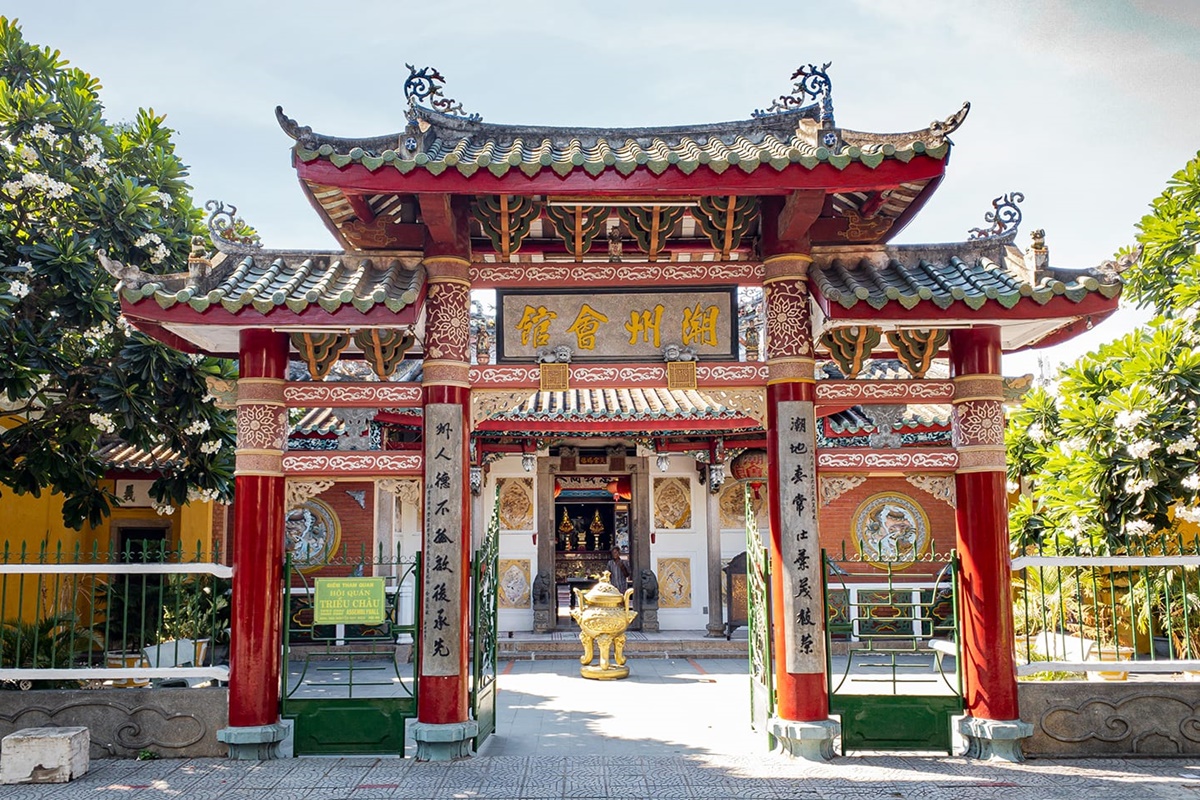
Exploring temples in Hoi An is not about collecting landmarks on a map. It is about understanding how history and spirituality still shape everyday life in the city. Unlike fast-paced sightseeing, temple exploration creates moments of pause. Travelers begin to notice details that often disappear in a rushed itinerary: incense smoke drifting through old courtyards, handwritten offerings placed quietly by local families, and centuries-old architecture standing beside modern cafés.
What makes these experiences unique is the feeling that culture here is still alive rather than preserved behind glass. Instead of observing history from a distance, visitors step directly into places where traditions continue naturally. This living atmosphere is one reason why Temple Hopping in Hoi An has become increasingly appealing to travelers seeking deeper cultural experiences.
A thoughtful route can transform a casual visit into a richer cultural journey. Rather than moving randomly between attractions, creating a walking sequence helps travelers understand how the city developed over time and how different communities shaped its identity.
A practical route may begin with Quan Cong Temple, known for its dedication to loyalty and honor. Continue toward Phuc Kien Assembly Hall, where intricate carvings and ceremonial spaces reveal strong Chinese cultural influence. From there, quieter sites like Cam Pho Temple offer a more intimate atmosphere and a chance to observe local worship practices away from larger crowds.
Many travelers also overlook smaller neighborhood shrines hidden between old houses and narrow alleys. These lesser-known spaces often feel more personal and reveal daily rituals that still remain part of community life. During Temple Hopping in Hoi An, these unexpected discoveries often become the moments people remember most.
Timing can completely change the atmosphere of your experience. Morning visits usually feel calm and reflective. The air is cooler, local residents begin their daily routines, and sacred spaces tend to feel quieter before crowds arrive.
Afternoons bring a different energy. Sunlight highlights architectural details and colorful decorative elements, making photography more rewarding. However, popular sites often become busier during peak travel hours.
Travelers looking for a more immersive experience often choose early mornings, when the pace of the city feels slower and interactions with local culture happen more naturally. During Temple Hopping in Hoi An, timing can be just as important as destination choices.
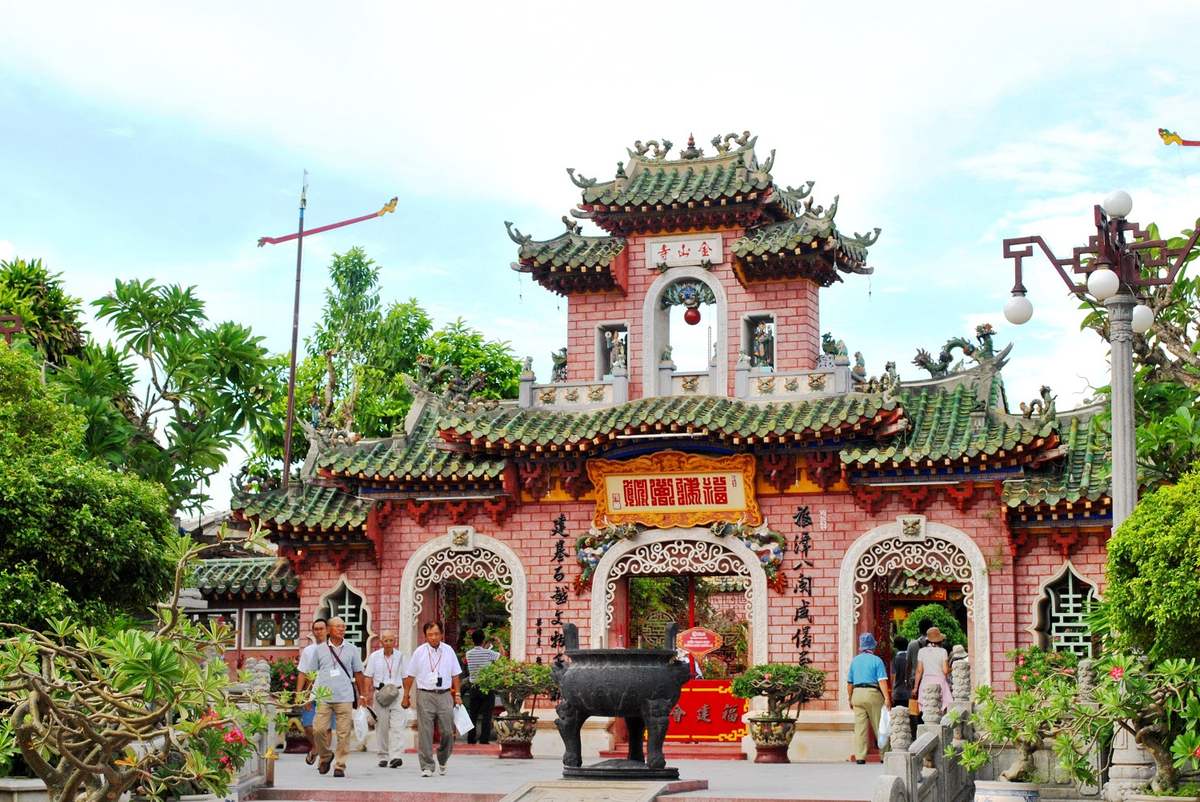
At first glance, many travelers notice colorful rooftops, carved wooden doors, and the scent of incense drifting through sacred halls. Yet the real beauty of Hoi An’s temples goes beyond appearance. Their uniqueness comes from centuries of cultural interaction, where architecture, beliefs, and traditions evolved together through trade and community life.
As one of Southeast Asia’s most active trading ports in the past, Hoi An welcomed merchants from different regions. Over time, those influences shaped the identity of the city’s spiritual spaces. Today, visitors can still see traces of multiple cultures coexisting within a single structure. During Temple Hopping in Hoi An, these details often reveal stories hidden in plain sight.
Unlike temples found in many other parts of Vietnam, Hoi An’s sacred sites reflect a layered blend of architectural traditions. Chinese merchant communities introduced assembly halls with elaborate entrances, symbolic guardian figures, and richly decorated ceremonial spaces. Japanese influence brought subtle design elements and a stronger sense of simplicity and balance.
Local Vietnamese traditions later merged with these imported styles, creating spaces that feel both international and deeply rooted in local identity. Instead of competing with one another, these cultural layers exist side by side, making each site feel distinct.
This combination explains why many travelers discover that traditional Vietnamese temples in Hoi An do not follow a single design language. Their beauty comes from diversity rather than uniformity.
Many travelers admire temple architecture without realizing that nearly every visual element carries meaning. Dragons often symbolize strength and protection, while carved animals and guardian statues represent spiritual beliefs connected to prosperity and harmony.
Color also plays a role. Red can symbolize luck and celebration, while gold often reflects prosperity and reverence. Even incense rituals tell stories. For local residents, lighting incense is not simply tradition; it is a form of respect and connection across generations.
These subtle details are easy to miss when moving quickly between attractions. That is why Temple Hopping in Hoi An often becomes more rewarding when travelers slow down and observe beyond the obvious. Sometimes the most fascinating cultural discoveries are found not in grand structures, but in the quiet details hidden within them.
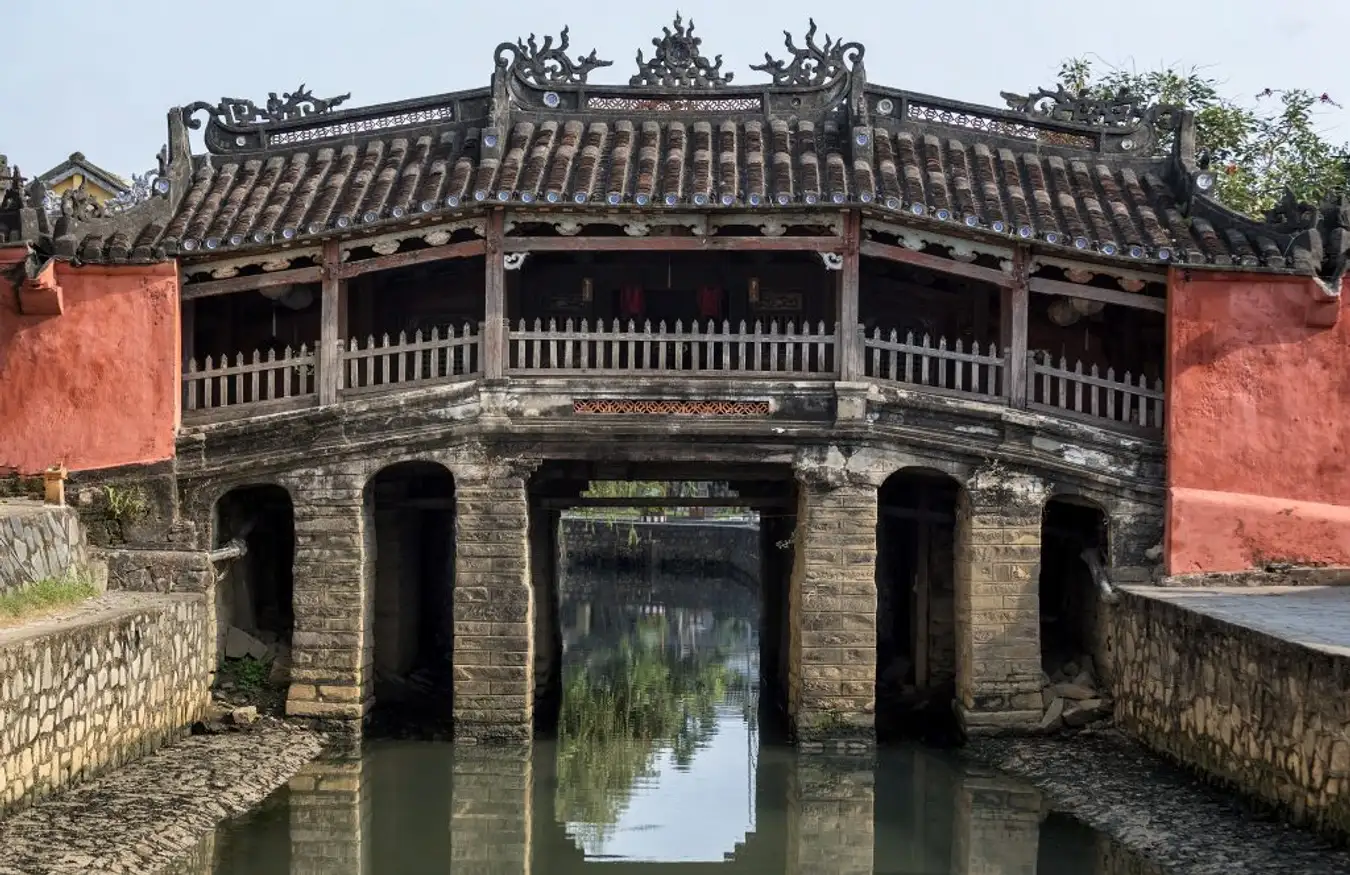
The most memorable parts of Hoi An are not always marked on travel maps. Beyond the famous heritage streets and crowded attractions, quieter corners of the city reveal a different atmosphere one shaped by routine, spirituality, and local life. These places rarely appear on a typical itinerary, yet they often create stronger emotional connections than the landmarks everyone photographs.
For travelers seeking a slower pace, stepping away from major attractions can completely change the journey. One of the unexpected rewards of Temple Hopping in Hoi An is discovering spaces that feel untouched by the rhythm of tourism. Instead of queues and camera crowds, visitors often find peaceful courtyards, incense-filled halls, and residents continuing traditions that have existed for generations.
While famous sites attract most visitors, smaller neighborhood temples often reveal a more intimate side of the city. Hidden between narrow lanes and old residential areas, these places are still actively used by local communities and retain a stronger sense of authenticity.
Unlike larger attractions designed around visitor traffic, these sacred spaces feel quieter and more personal. You may see elderly residents stopping to light incense before work, families preparing offerings, or locals gathering during special occasions. These everyday scenes offer a glimpse into the city beyond tourism.
For many travelers, experiences like these become the most meaningful moments during Temple Hopping in Hoi An, not because they are visually grand, but because they feel real.
Exploring spiritual places also comes with responsibility. Temples are not simply attractions; they remain active places of worship and community gathering.
Visitors should dress modestly, speak quietly, and avoid interrupting ceremonies or local activities. Photography is usually acceptable in many areas, but observing first and following local behavior is always the safest approach.
Respect also means slowing down. Rather than rushing through sites to collect photographs, take time to observe details — incense rituals, handwritten offerings, traditional decorations, and small interactions happening around you.
Travel experiences often become more rewarding when approached with curiosity and sensitivity. During Temple Hopping in Hoi An, respect for local customs not only creates better cultural understanding but also opens the door to more genuine encounters.
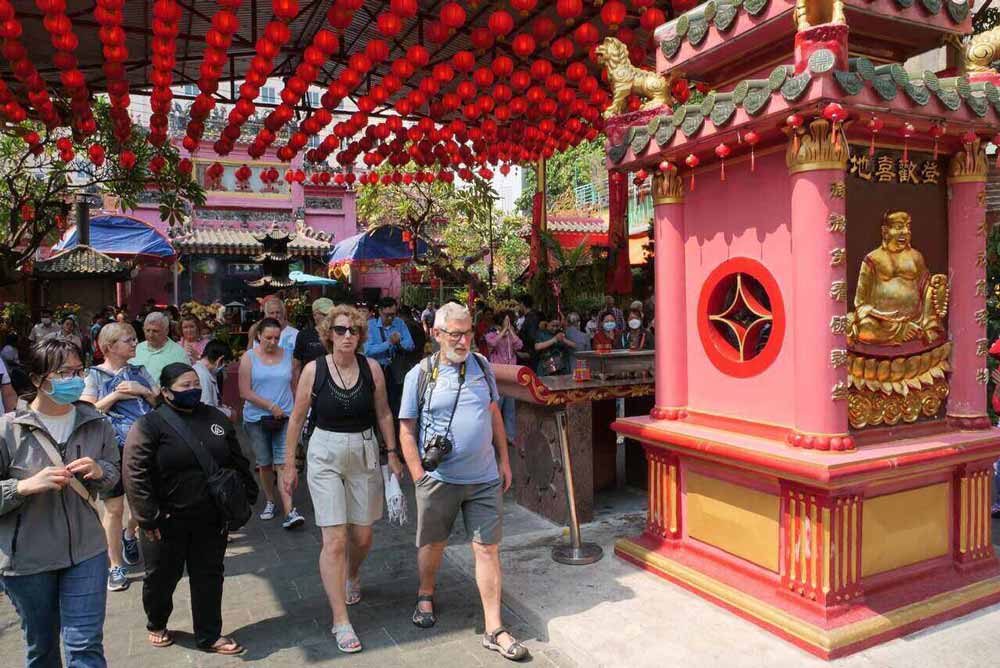
A meaningful day in Hoi An does not need to feel rushed. Instead of moving quickly between attractions, a well-planned route allows travelers to experience the city at a slower pace and notice details often missed on traditional sightseeing schedules. Combining sacred spaces with local food, quiet streets, and cultural encounters creates a more balanced experience.
For travelers interested in Hoi An walking itinerary ideas, the goal is not to visit the highest number of places. It is to create a rhythm that feels immersive and allows moments of discovery throughout the day.
Start early while the streets are still calm and temperatures remain comfortable. Morning light brings a softer atmosphere and offers a chance to experience the city before tour groups begin arriving.
Begin with Quan Cong Temple, where the peaceful surroundings and historical significance create a thoughtful introduction to the day. Continue toward Phuc Kien Assembly Hall, known for its detailed architecture and symbolic decorations. Along the way, leave room for unplanned moments — a quiet alley, a small courtyard, or a local shop opening for the day.
Early hours also create ideal conditions for Temple Hopping in Hoi An, especially for travelers who prefer a more reflective and less crowded atmosphere.
Before beginning your cultural route, reading a detailed Hoi An Ancient Town travel guide can help travelers understand the layout, historical landmarks, and hidden corners that shape the city’s atmosphere.
As the day continues, move beyond the busiest sections of the Ancient Town and explore quieter neighborhoods nearby. This is often when hidden discoveries happen naturally. Small shrines, local gathering spaces, and residential corners can reveal aspects of daily life that many visitors never notice.
Take a break at a local café and observe the slower pace around you. Rather than rushing toward another attraction, use these pauses to absorb the atmosphere.
As evening approaches, return toward the riverside area and lantern streets. The contrast between lively night scenes and peaceful temple visits earlier in the day creates a more complete understanding of Hoi An’s character.
For many travelers, Temple Hopping in Hoi An becomes more meaningful when integrated into a full day of cultural experiences rather than treated as a separate activity. The journey feels less like sightseeing and more like discovering the city through its everyday rhythm.
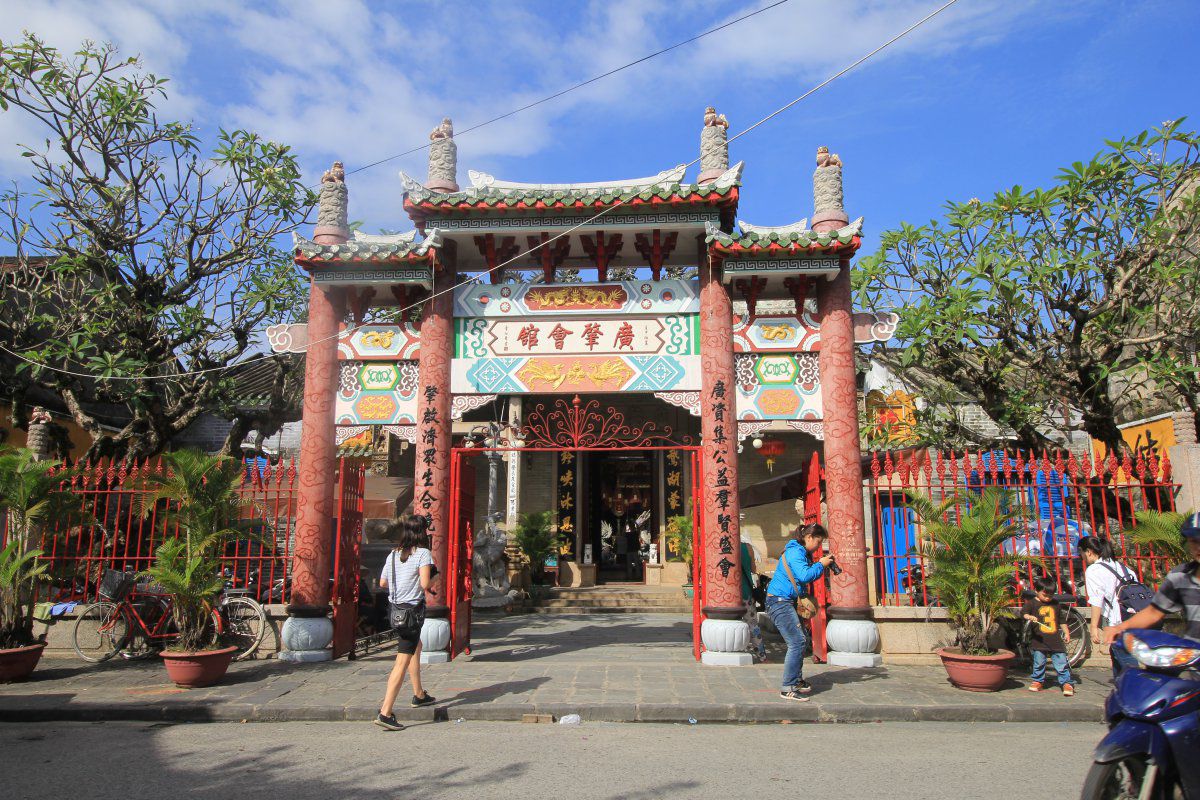
Visiting temples in Hoi An can be deeply rewarding, but a more meaningful experience often comes from understanding local customs before arriving. Sacred places are not only cultural attractions; they remain active spaces where traditions, rituals, and daily life continue to exist side by side.
A little preparation can help travelers avoid common mistakes and create a more respectful connection with local culture. For many visitors, Temple Hopping in Hoi An becomes more memorable when the experience feels thoughtful rather than rushed.
Comfort matters, but cultural awareness matters just as much. Lightweight clothing is ideal for Hoi An’s warm weather, especially during hotter months, but visitors should also choose outfits appropriate for spiritual settings.
Clothing that covers shoulders and knees is generally recommended when entering temples and sacred spaces. Comfortable walking shoes are equally important, particularly if your route includes multiple stops across the Ancient Town and surrounding neighborhoods.
Travelers may also want to bring:
Many routes during Temple Hopping in Hoi An involve more walking than travelers initially expect, especially when exploring hidden alleys and neighborhood temples beyond the main tourist streets.
One of the most common mistakes visitors make is treating temples like ordinary sightseeing spots. Speaking loudly, interrupting ceremonies, or entering sacred areas without observing local behavior can unintentionally create disrespectful situations.
Photography is another area where awareness matters. While many locations welcome photos, certain prayer spaces or ceremonial activities may require more sensitivity. Watching how local residents behave can often provide useful guidance.
Another mistake is moving too quickly. Travelers sometimes rush through temples simply to complete an itinerary, missing details that give these places their character. The quiet atmosphere, symbolic architecture, and small rituals happening around you often reveal more than a quick photo ever could.
The most rewarding experiences during Temple Hopping in Hoi An usually happen when curiosity replaces urgency. Slowing down creates space for cultural understanding and often leads to moments that feel more personal and memorable.
1. Is Temple Hopping in Hoi An suitable for first-time visitors?
Yes. Temple Hopping in Hoi An is suitable for first-time travelers because most sites are accessible on foot and can easily be included in a cultural day itinerary.
2. How much time should I spend visiting temples in Hoi An?
Half a day is enough for major attractions, but a full day allows time to enjoy quieter spiritual sites in Hoi An and explore local neighborhoods.
3. What should I wear when visiting temples in Hoi An?
Wear lightweight clothing that covers shoulders and knees. Comfortable shoes are also recommended for walking between traditional Vietnamese temples and cultural sites.
Yes. Several hidden temples in Hoi An can be found in residential areas and quiet alleys, offering a more authentic atmosphere away from tourist crowds.
Hoi An has always been more than lantern streets and postcard views. Beyond its famous attractions lies a quieter world filled with stories, rituals, and cultural traditions that continue to shape daily life. Through sacred spaces and hidden corners, travelers can discover a deeper connection to the city beyond what appears in typical travel guides.
More than a sightseeing activity, Temple Hopping in Hoi An offers a chance to experience the city through its history, spirituality, and everyday rhythm. At Simply Vietnam Travel, we believe meaningful journeys begin when travelers step beyond the obvious and allow curiosity to lead the way.
Contact us through the following channels for a free consultation: