Lô 22 B2-14, Khu đô thị Hòa Hải H1-3, Đà Nẵng, Việt Nam
hi@simplyvietnamtravel.com
+84 793 553 385
Mon – Sun 8.00 – 18.00

 travel
4 May 2026
travel
4 May 2026
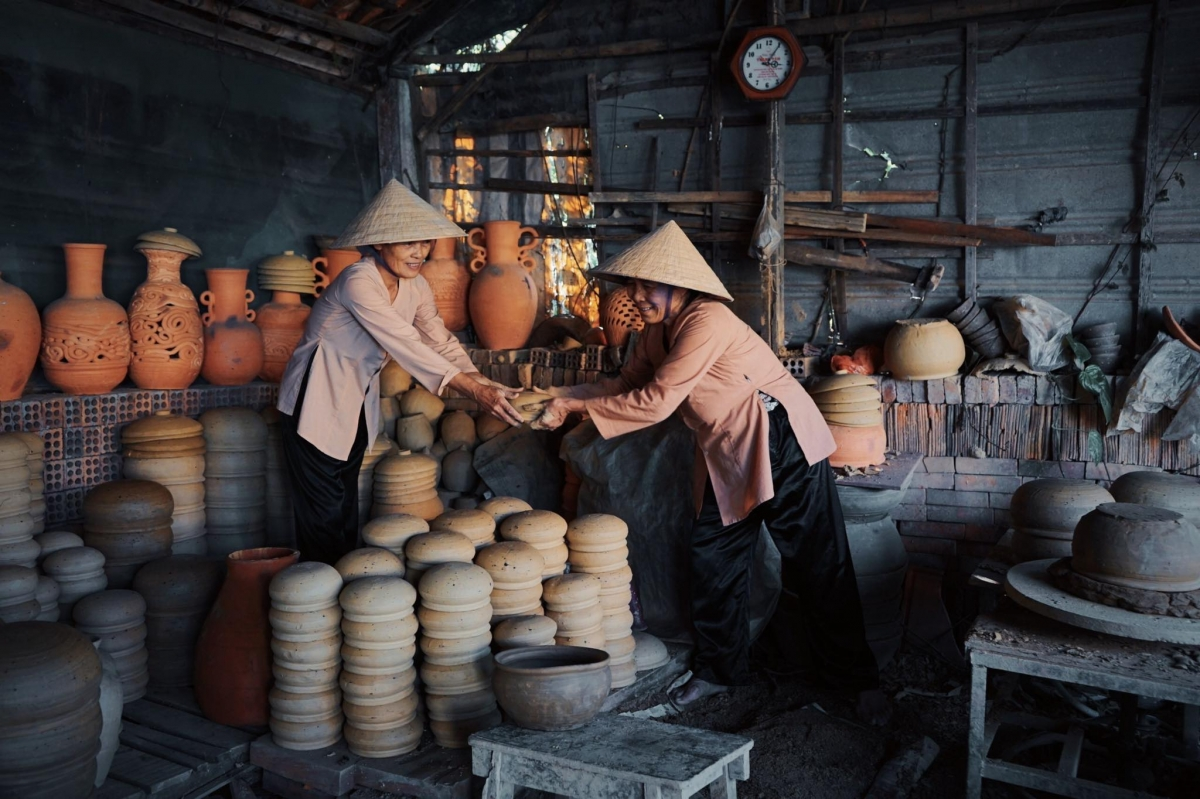
Just a short ride from Hoi An, Thanh Ha Pottery Village invites travelers into a world where centuries-old craftsmanship still thrives. This peaceful riverside community is known for its handmade ceramics, welcoming artisans, and immersive cultural experiences that let visitors shape clay with their own hands. For those seeking an authentic and meaningful journey, exploring this traditional village with Simply Vietnam Travel offers a deeper connection to Vietnam’s heritage.
Understanding the location and accessibility of Thanh Ha Pottery Village helps travelers easily plan a smooth and enjoyable visit from Hoi An.
Located just about 3 kilometers west of Hoi An’s historic center, Thanh Ha Pottery Village sits peacefully along the Thu Bon River. The area offers a quiet contrast to the bustling streets of the old town, making it an ideal escape for travelers seeking a more authentic and slower-paced atmosphere. Recognized as Thanh Ha pottery village Hoi An, it has long been a cultural landmark where generations of artisans have preserved their craft.
Surrounded by lush greenery and riverside views, Thanh Ha Pottery Village is easy to combine with other nearby attractions. Its close proximity allows visitors to explore both the heritage charm of Hoi An and the rustic beauty of local life within the same day.
You can also explore a more detailed overview of the surrounding area through this comprehensive Hoi An travel guide 2026 to better plan your journey and discover nearby attractions.
Getting to Thanh Ha Pottery Village is simple and flexible, with several convenient options depending on your travel style. If you enjoy a relaxed and scenic journey, cycling is one of the best choices. The route from Hoi An takes around 15–20 minutes and passes through quiet villages and rice fields, offering a glimpse into daily life in central Vietnam.
Motorbikes are another popular option, especially for those who prefer more independence and speed. The ride to Thanh Ha Pottery Village is short and straightforward, making it suitable even for less experienced riders. Alternatively, you can take a taxi or ride-hailing service for a hassle-free trip.
For a more unique perspective, consider traveling by boat along the river. This option not only answers the question of how to get to Thanh Ha Pottery Village but also adds a memorable experience as you approach the village from the water, just as traders once did centuries ago.

Exploring the past of Thanh Ha Pottery Village reveals a rich legacy shaped by centuries of craftsmanship and cultural exchange in central Vietnam.
The story of Thanh Ha Pottery Village dates back to the 16th century, when skilled artisans from Northern Vietnam migrated to this riverside area and established a thriving ceramic community. Thanks to its strategic location along the Thu Bon River, the village quickly became an important hub for trading pottery products across the region.
During its peak, Thanh Ha Pottery Village supplied a wide range of everyday items such as bowls, jars, tiles, and decorative pieces to merchants and households throughout central Vietnam. The craft flourished under royal patronage, and local artisans were even invited to produce ceramics for the imperial court, further elevating the village’s reputation.
Beyond its economic value, Thanh Ha Pottery Village holds deep cultural significance as a symbol of traditional craftsmanship and community identity. Generations of artisans have preserved their techniques, passing down knowledge through hands-on practice rather than written instruction.
Today, Thanh Ha Pottery Village continues to reflect the enduring spirit of Vietnamese heritage, where craftsmanship is closely tied to daily life and local customs. This lasting legacy is often highlighted when discussing Thanh Ha pottery history Vietnam, emphasizing how the village remains an important cultural treasure in the region.
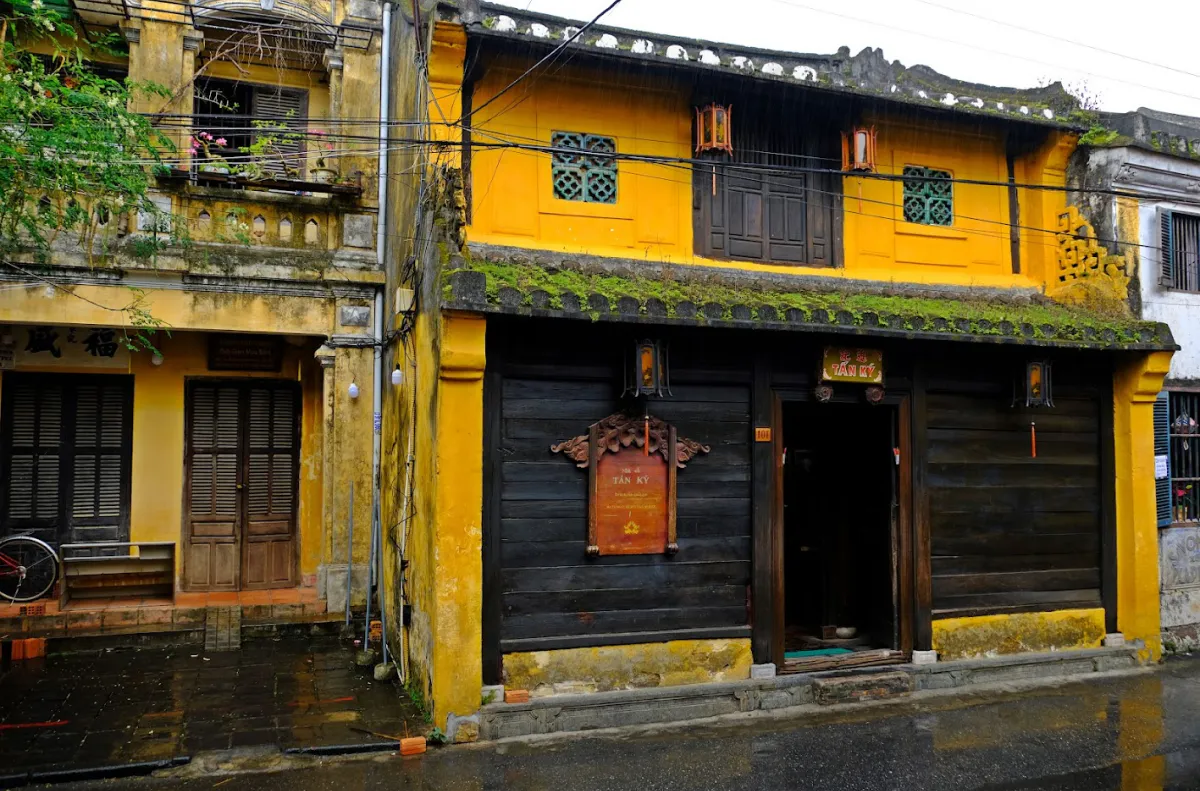
This cultural legacy can also be seen in other historic sites across Hoi An, such as the Phung Hung Old House, where traditional architecture and lifestyle have been carefully preserved over generations.
A visit to Thanh Ha Pottery Village is not just about sightseeing it’s about engaging with living traditions through hands-on activities and authentic local experiences.
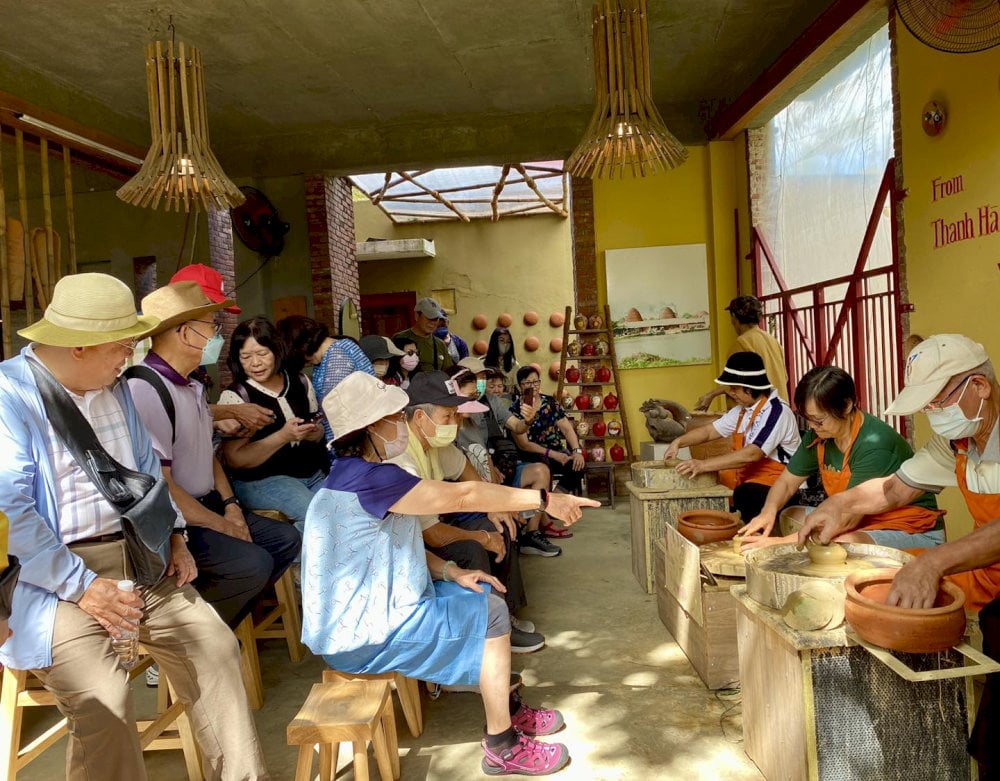
One of the most memorable highlights in Thanh Ha Pottery Village is the chance to create your own ceramic piece under the guidance of skilled artisans. Visitors are invited to sit at traditional spinning wheels, shape clay by hand, and learn techniques that have been passed down through generations.
This immersive activity offers a true Thanh Ha pottery making experience, allowing you to appreciate the patience and craftsmanship behind each finished product. Whether your creation turns out perfectly or not, the process itself is both fun and deeply rewarding.
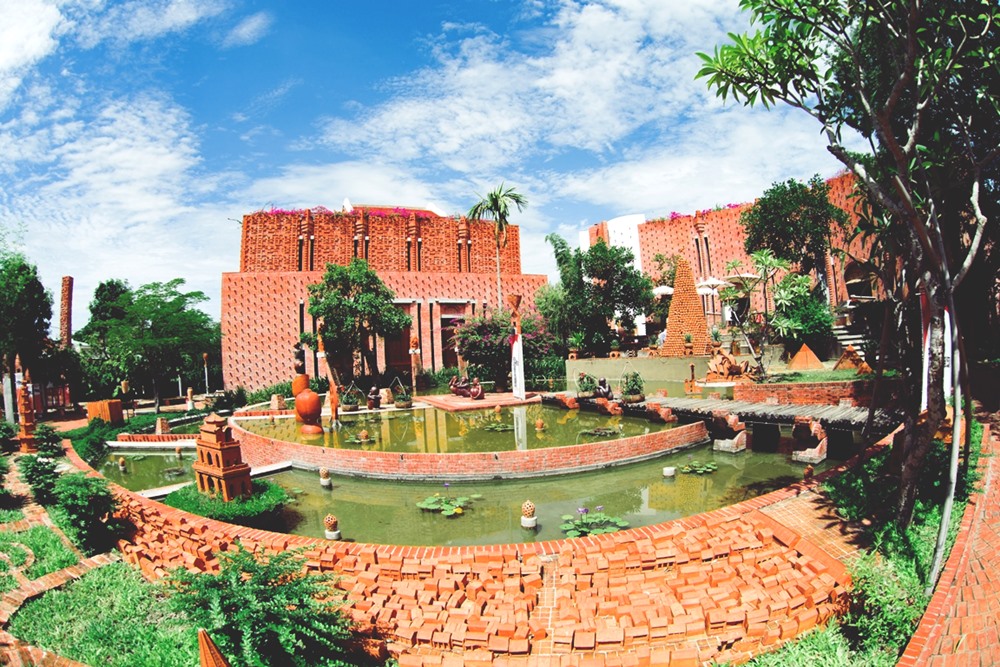
Located near the entrance, the Terracotta Park adds a creative and educational dimension to Thanh Ha Pottery Village. This unique space showcases impressive clay sculptures, including miniature replicas of famous architectural landmarks from around the world.
As you walk through the exhibits, Thanh Ha Pottery Village reveals its evolution from a traditional craft center into a place where art and innovation meet. The park also provides insight into the development of pottery techniques and the diversity of ceramic styles across different cultures.
Strolling through the quiet alleys of Thanh Ha Pottery Village allows you to observe daily life in its most authentic form. You’ll pass by family-run workshops, open-air kilns, and homes where pottery is still made using age-old methods.
For those researching things to do in Thanh Ha Pottery Village, this simple walk often becomes the most meaningful experience. It offers a closer look at how tradition continues to thrive, as artisans shape clay, fire their creations, and proudly display their work for visitors to admire.
After exploring the village, you can extend your journey into Hoi An’s cultural heritage by visiting nearby landmarks such as the Hainan Assembly Hall Hoi An, known for its rich history and intricate architecture.
Planning ahead for a trip to Thanh Ha Pottery Village ensures a smoother, more enjoyable experience while helping you make the most of your time in this traditional craft destination.
The best time to explore Thanh Ha Pottery Village is during the dry season, typically from February to August, when the weather is warm and ideal for outdoor activities. Mornings and late afternoons are especially pleasant, offering softer light and cooler temperatures for walking around the village.
Visiting Thanh Ha Pottery Village earlier in the day also gives you the chance to see artisans at work, as many workshops are most active during these hours. If possible, try to avoid peak midday heat, particularly in the summer months.
Before heading to Thanh Ha Pottery Village, it’s helpful to know some practical details. The village usually charges a small entrance fee, which often includes access to certain workshops and sometimes a basic pottery-making activity.
As part of the broader cultural landscape of Thanh Ha pottery village Hoi An, the site is generally open daily from morning until late afternoon. However, hours may vary slightly depending on the season or specific attractions within the area, so it’s a good idea to check in advance.
When visiting Thanh Ha Pottery Village, comfortable clothing and footwear are essential, especially if you plan to walk through the village and participate in hands-on activities. Lightweight, breathable fabrics are recommended due to the warm climate.
Since you may get your hands dirty during workshops, it’s best to wear something you don’t mind getting a bit of clay on. Bringing sunscreen, a hat, and water will also help you stay comfortable while exploring Thanh Ha Pottery Village under the sun.
A journey to Thanh Ha Pottery Village offers more than just a visit to a traditional craft site it’s an opportunity to connect with the living heritage of Vietnam through hands-on experiences and meaningful cultural encounters. From shaping clay alongside skilled artisans to exploring peaceful village paths, every moment here reflects a timeless way of life that continues to thrive.
If you’re looking to enrich your travel itinerary with something authentic and memorable, Thanh Ha Pottery Village is a destination worth discovering. Plan your visit with Simply Vietnam Travel to enjoy a deeper, more immersive experience and uncover the true charm of this remarkable village.
Contact us through the following channels for a free consultation:
1. Where is Thanh Ha Pottery Village located?
It is located about 3 km west of Hoi An Ancient Town, along the Thu Bon River.
2. What can visitors do at Thanh Ha Pottery Village?
Visitors can try pottery making, explore local workshops, and visit the Terracotta Park.
3. Is Thanh Ha Pottery Village worth visiting?
Yes, it offers a unique cultural experience with hands-on activities and traditional craftsmanship.